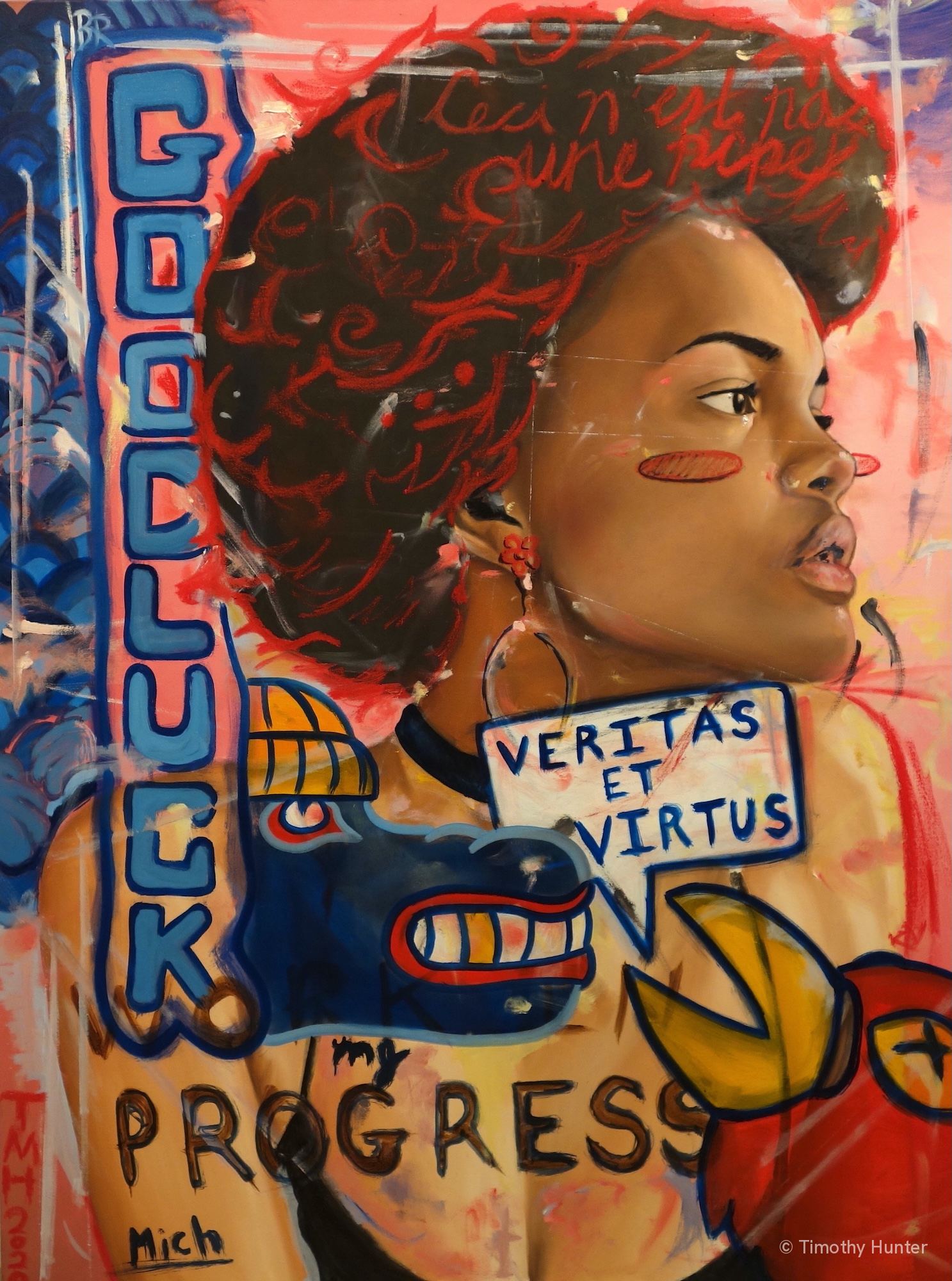
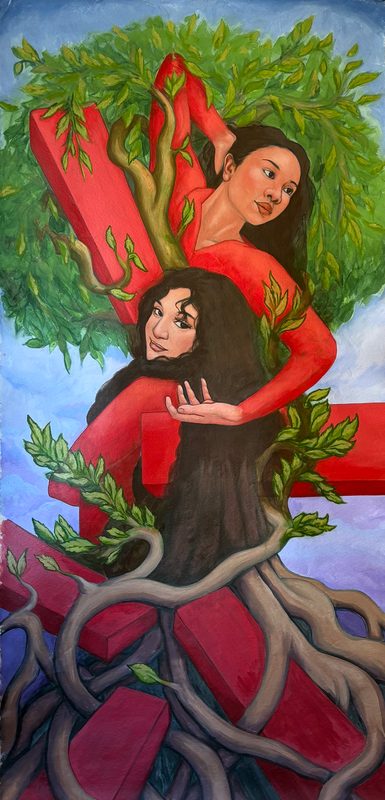
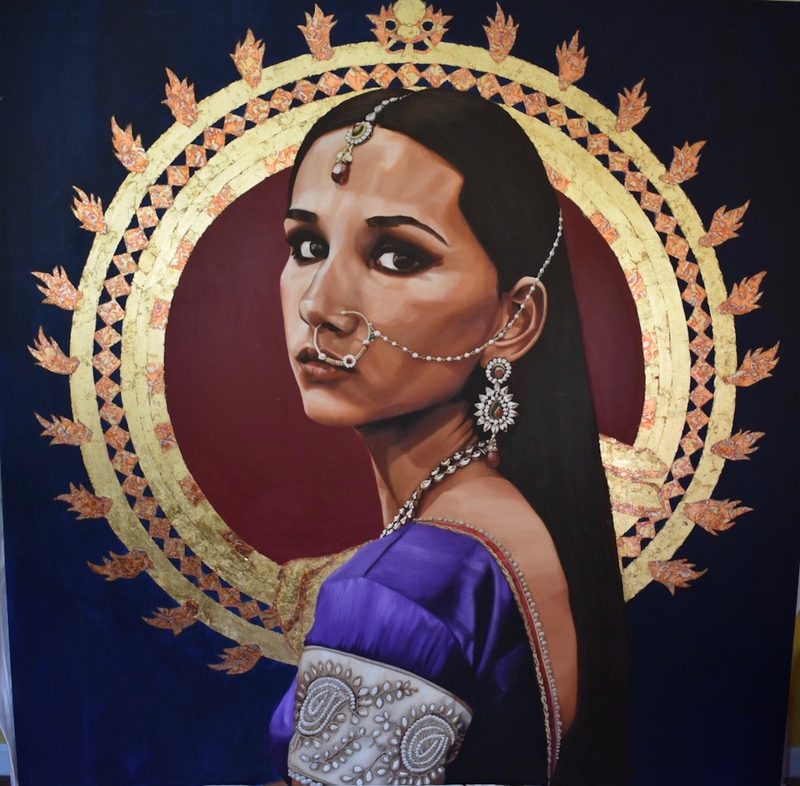
First Solo Show
Phosphenes
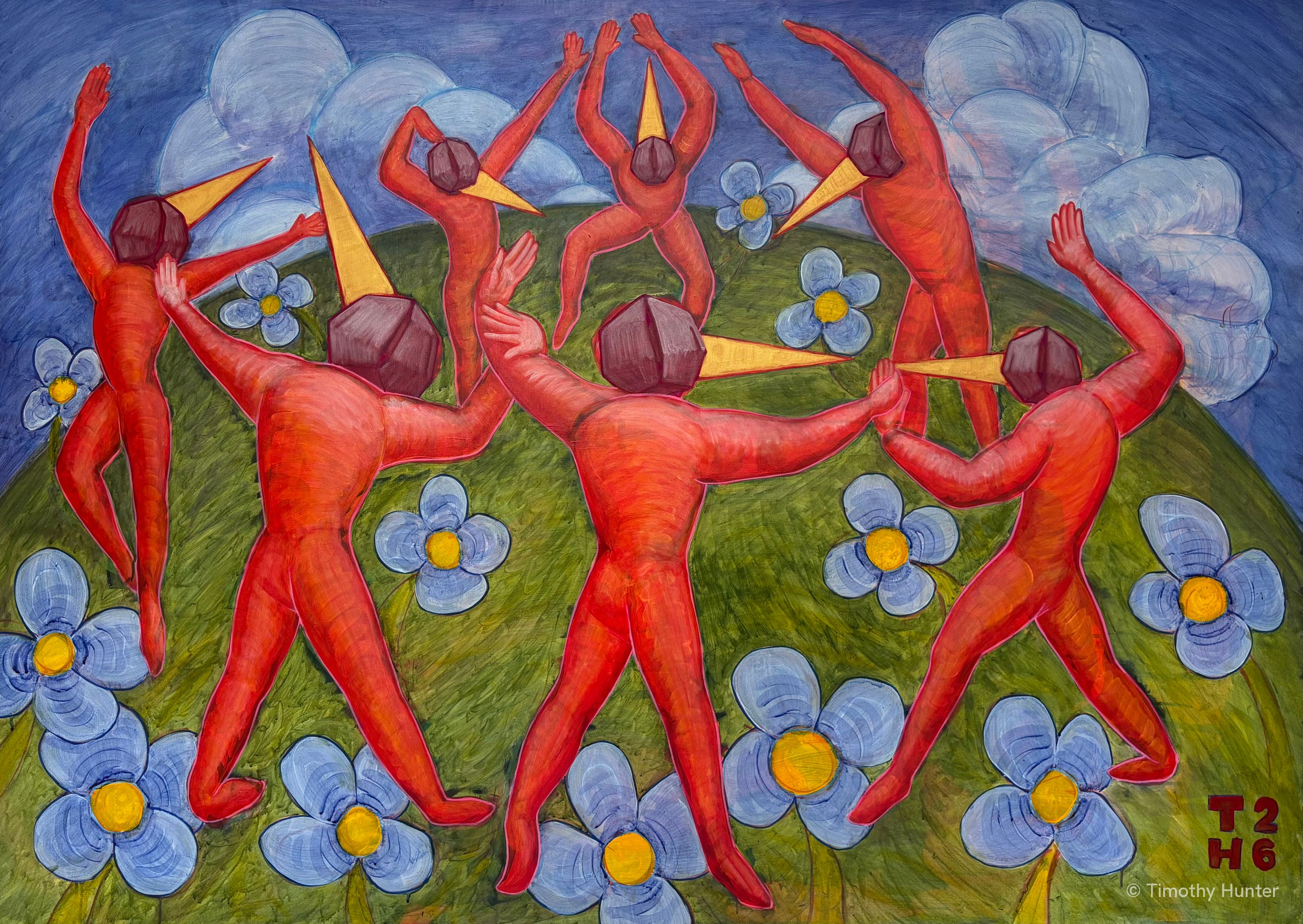
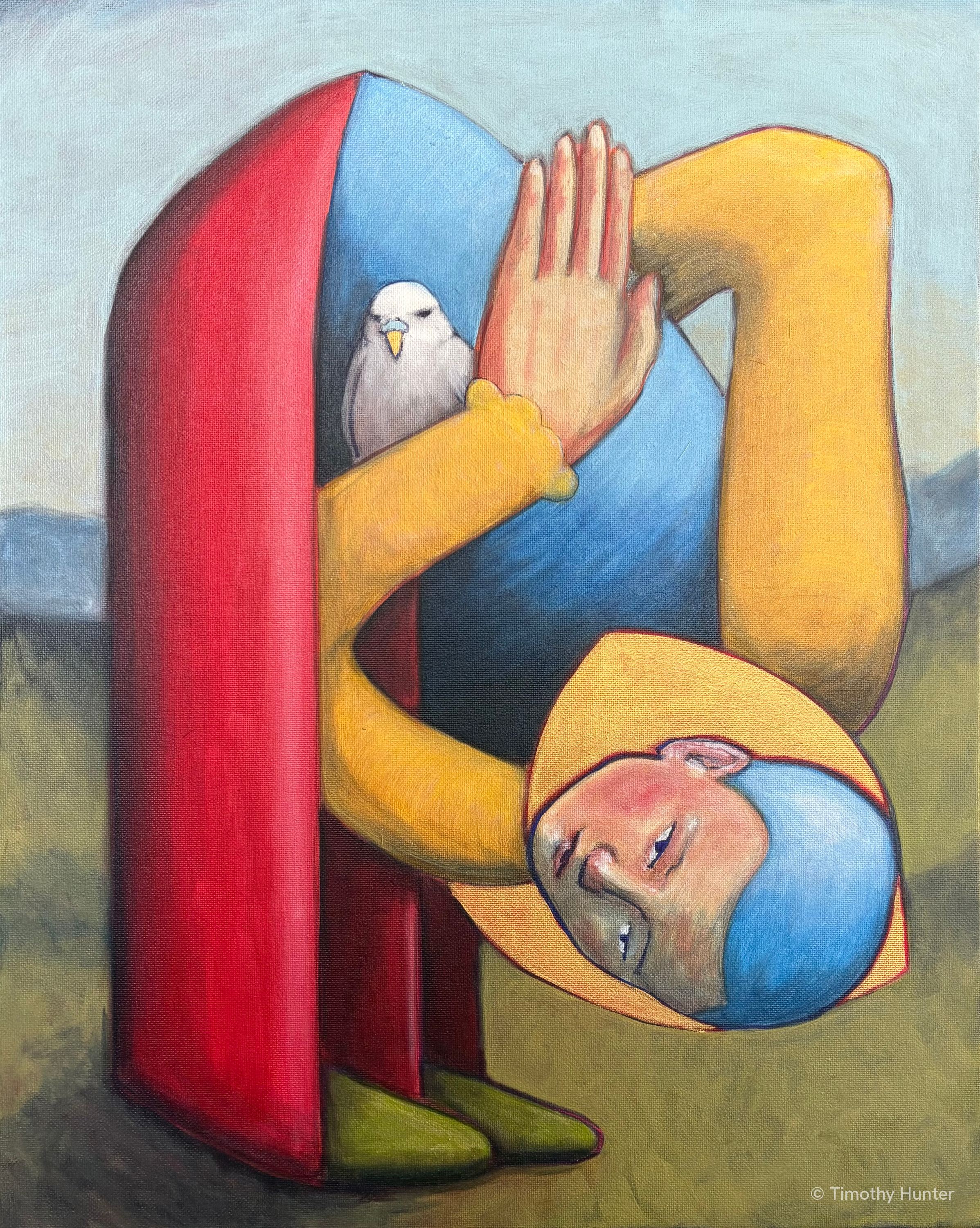
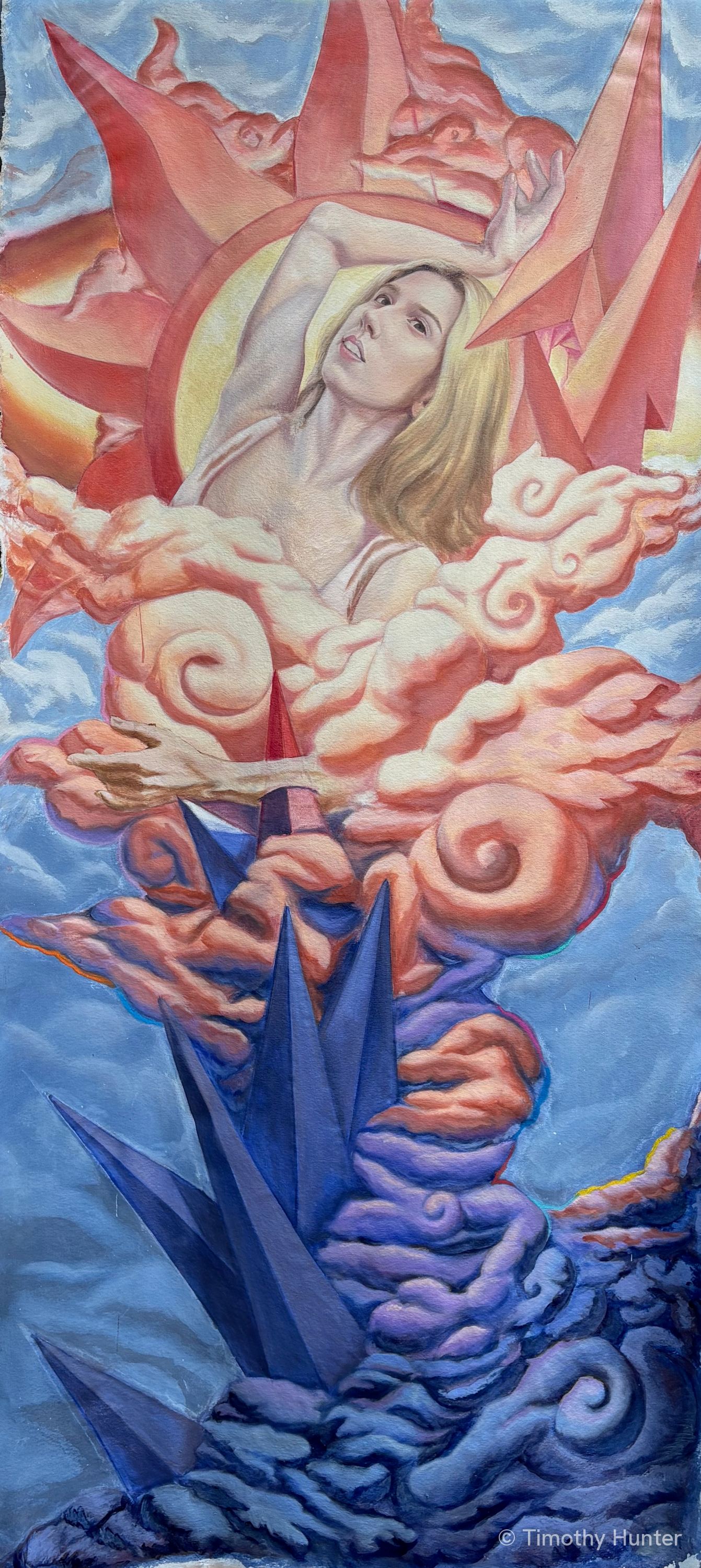
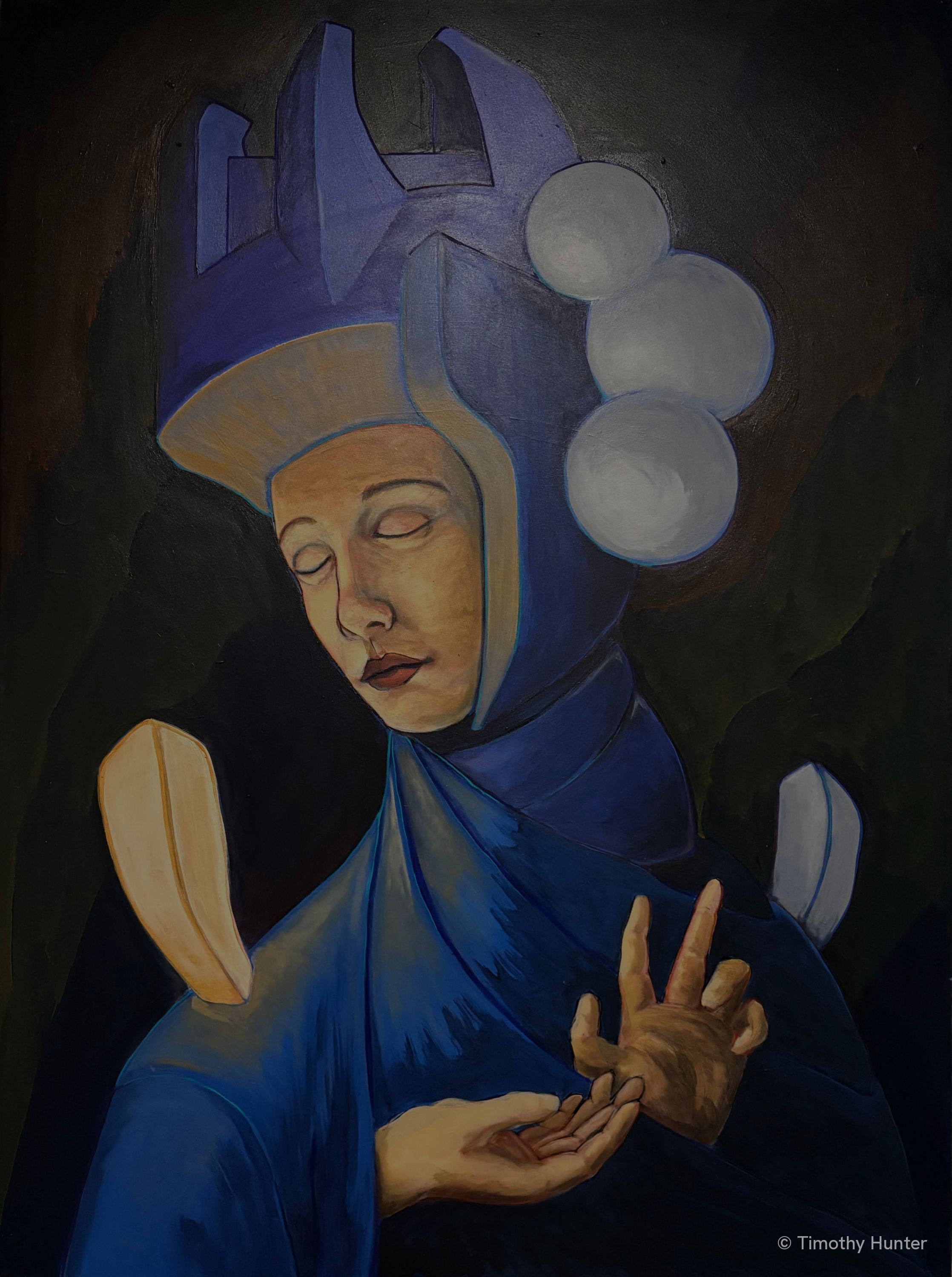
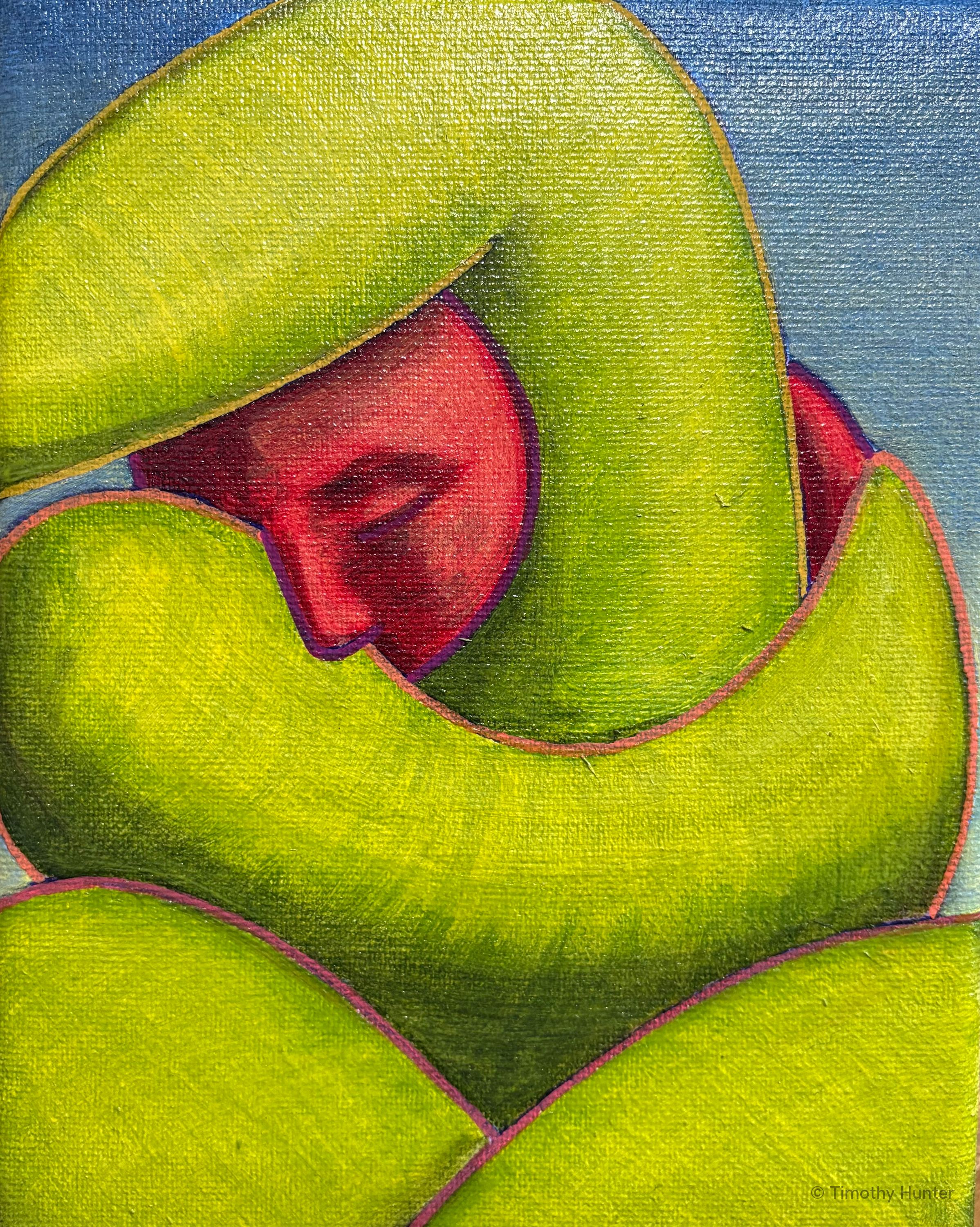
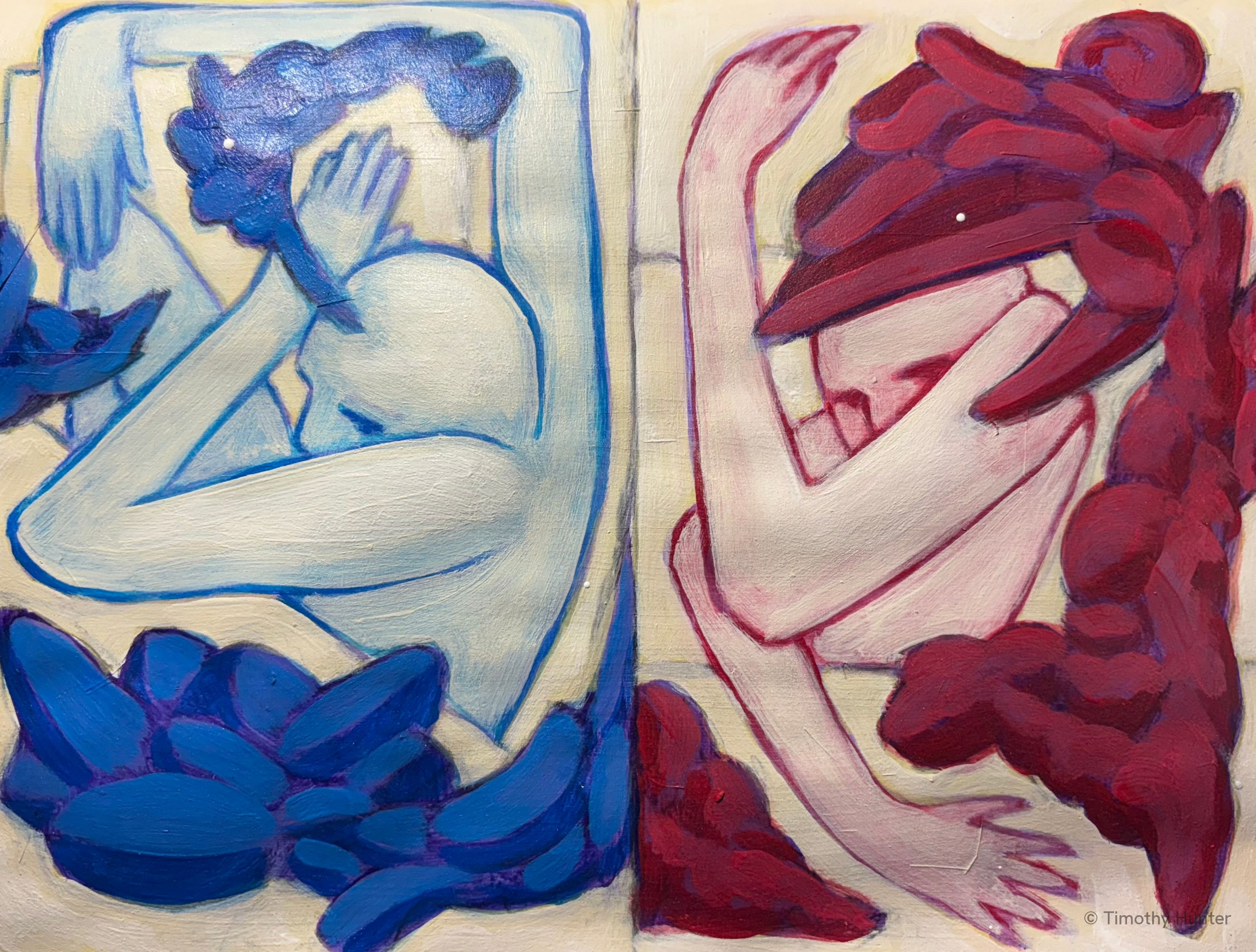
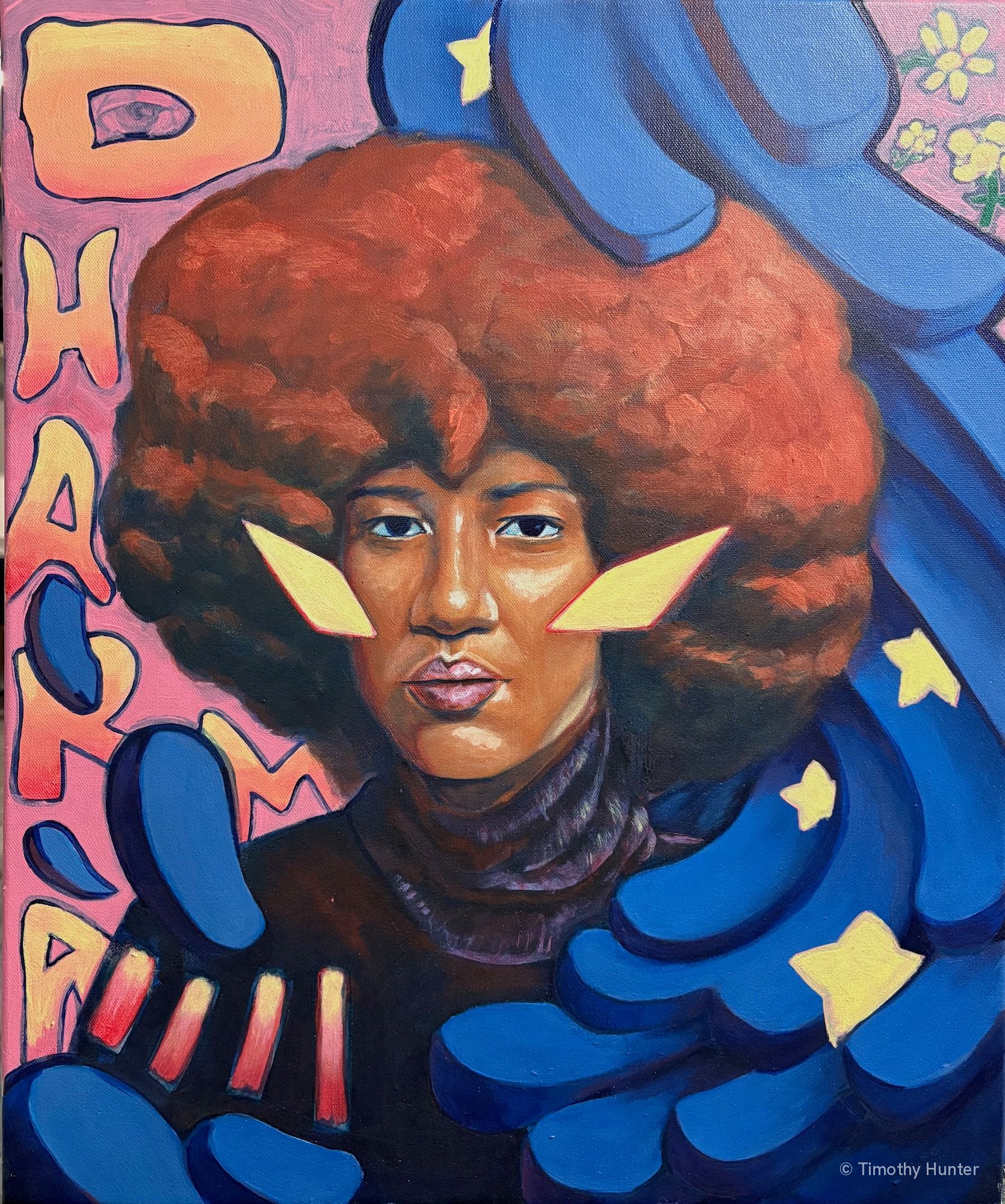
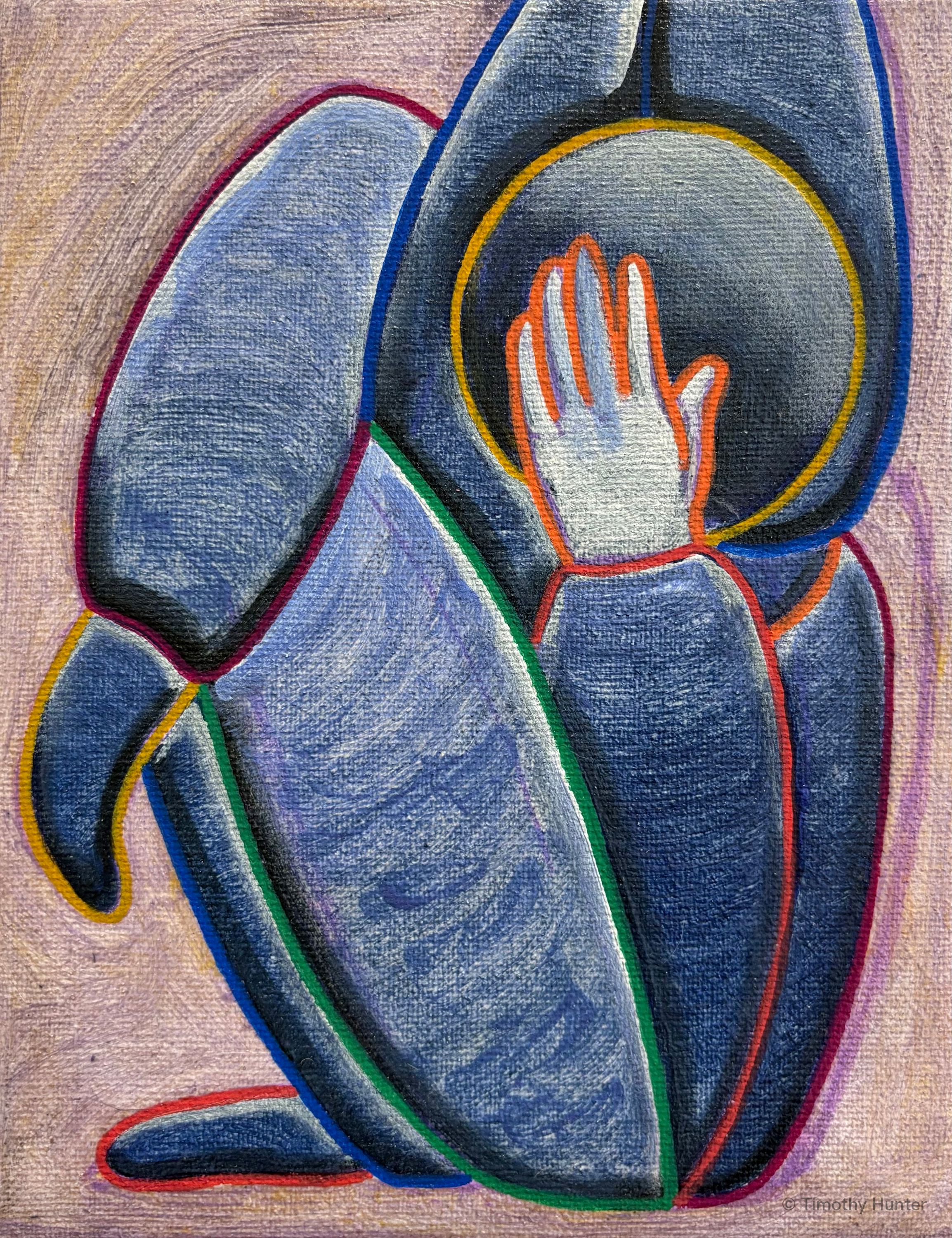
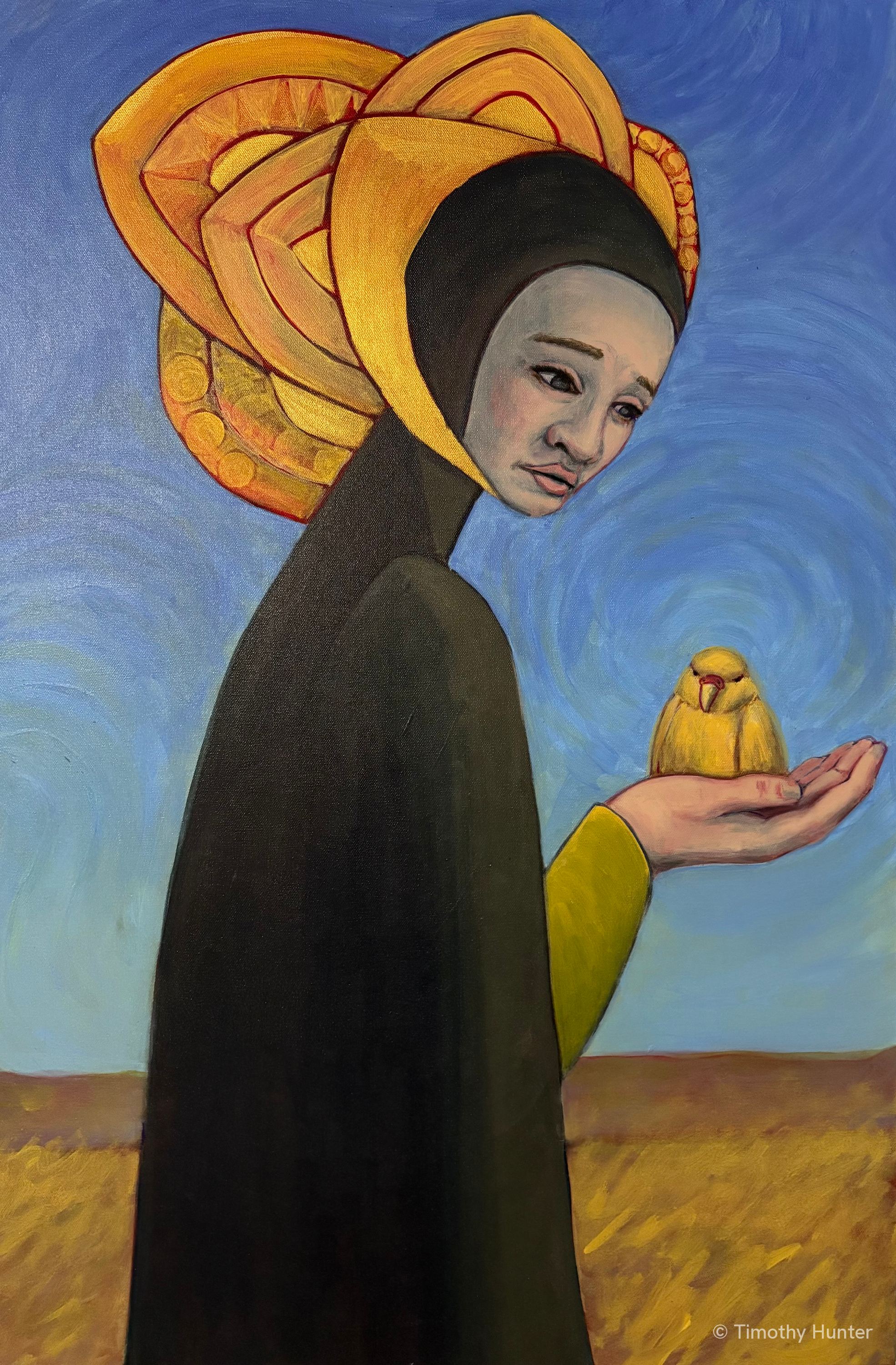
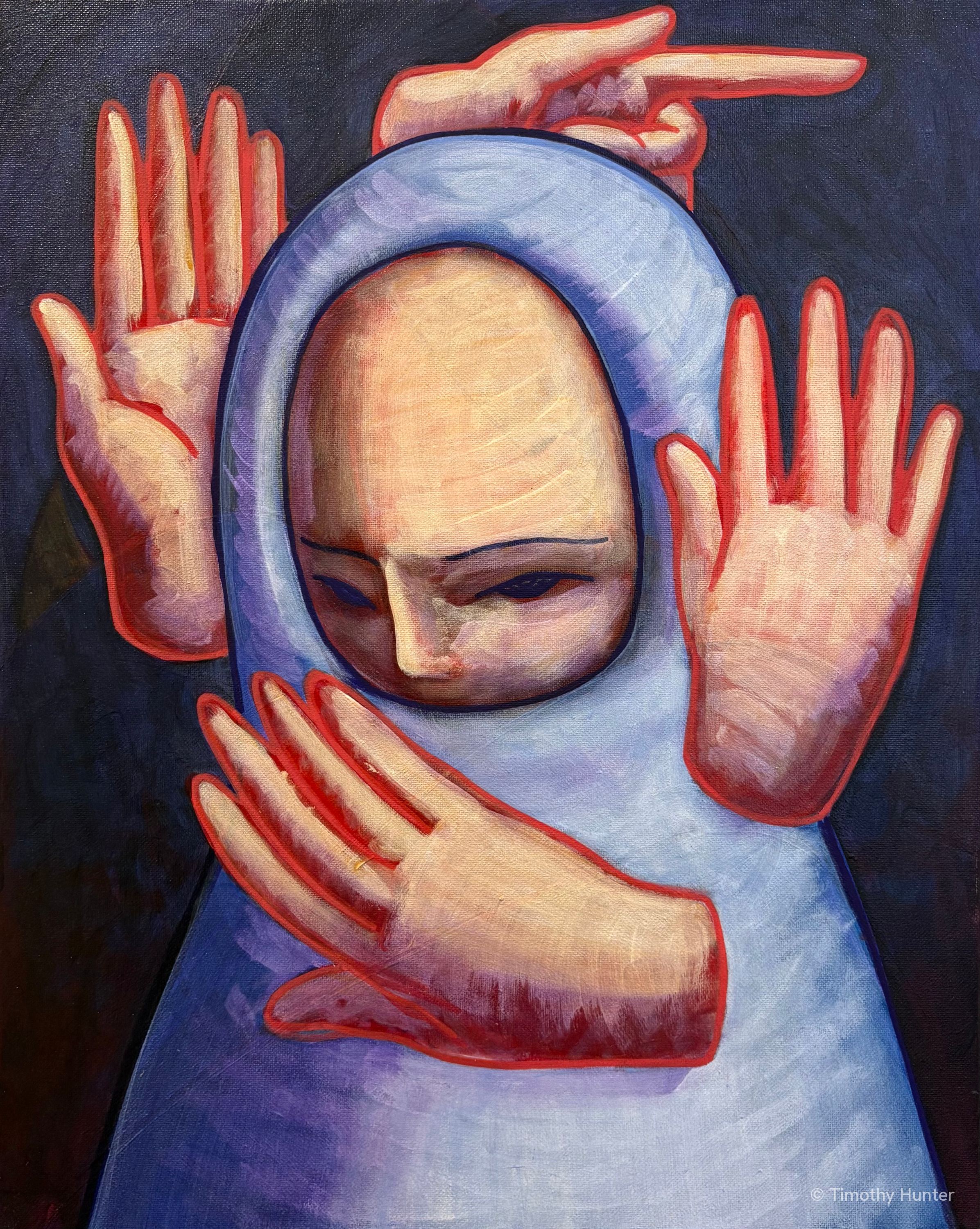
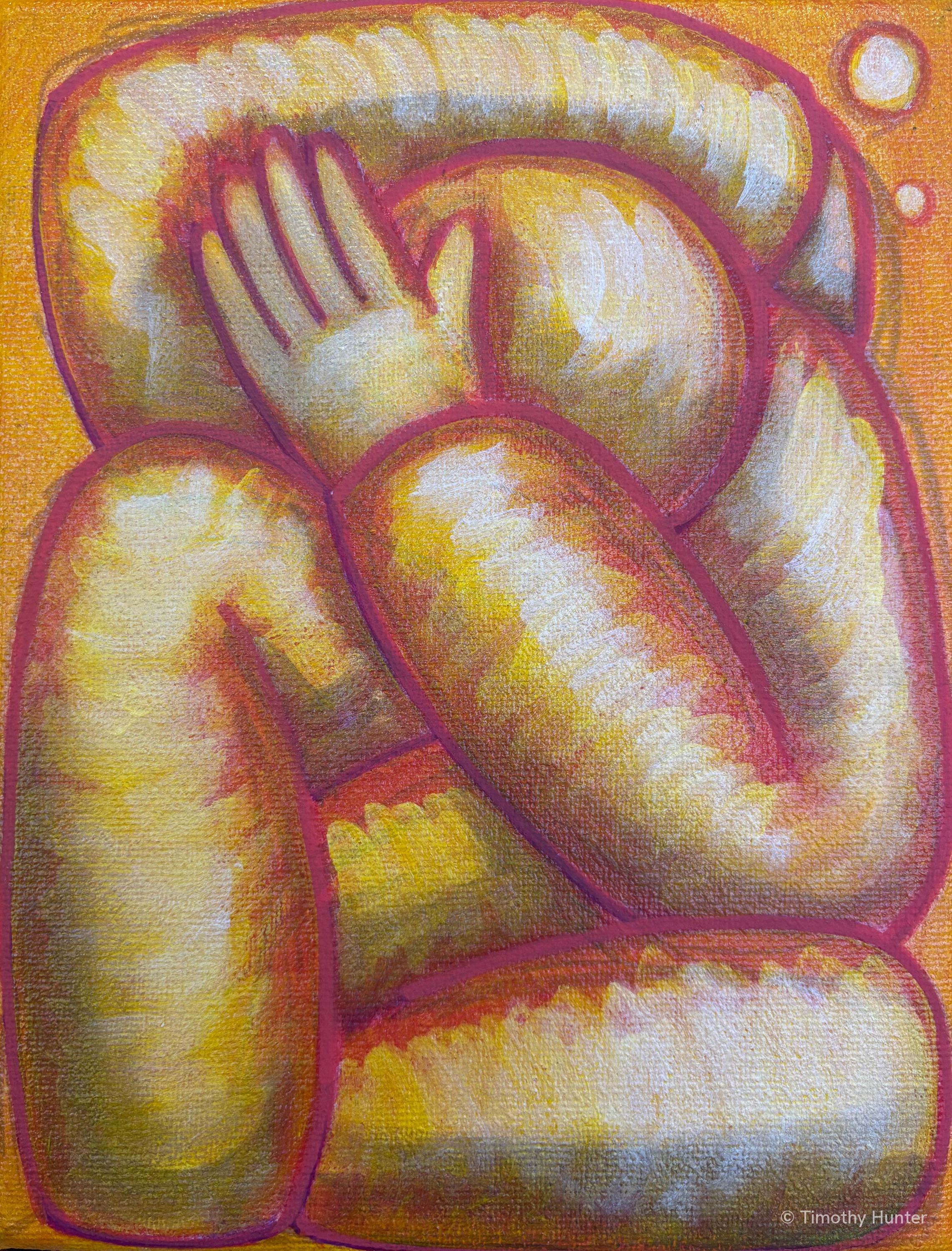
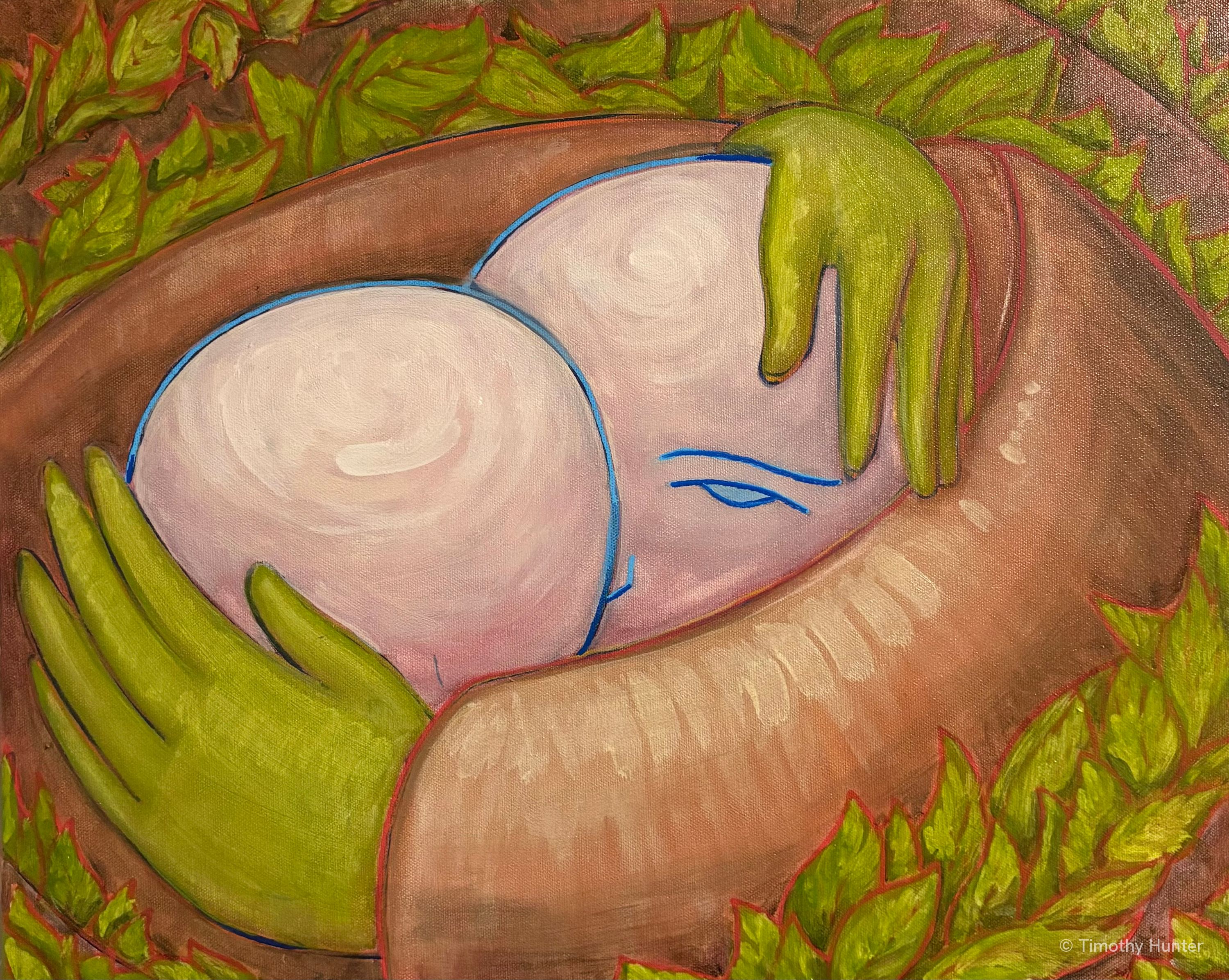
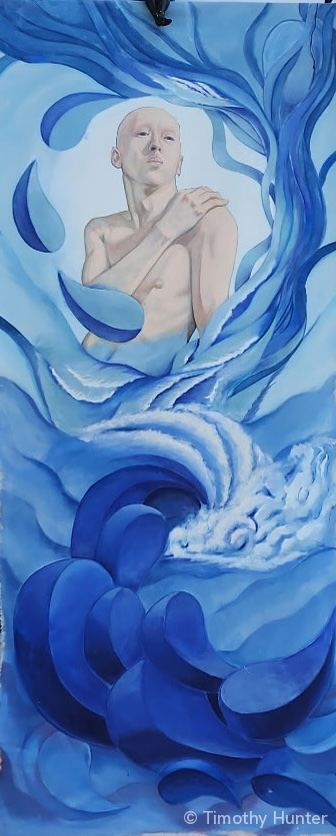
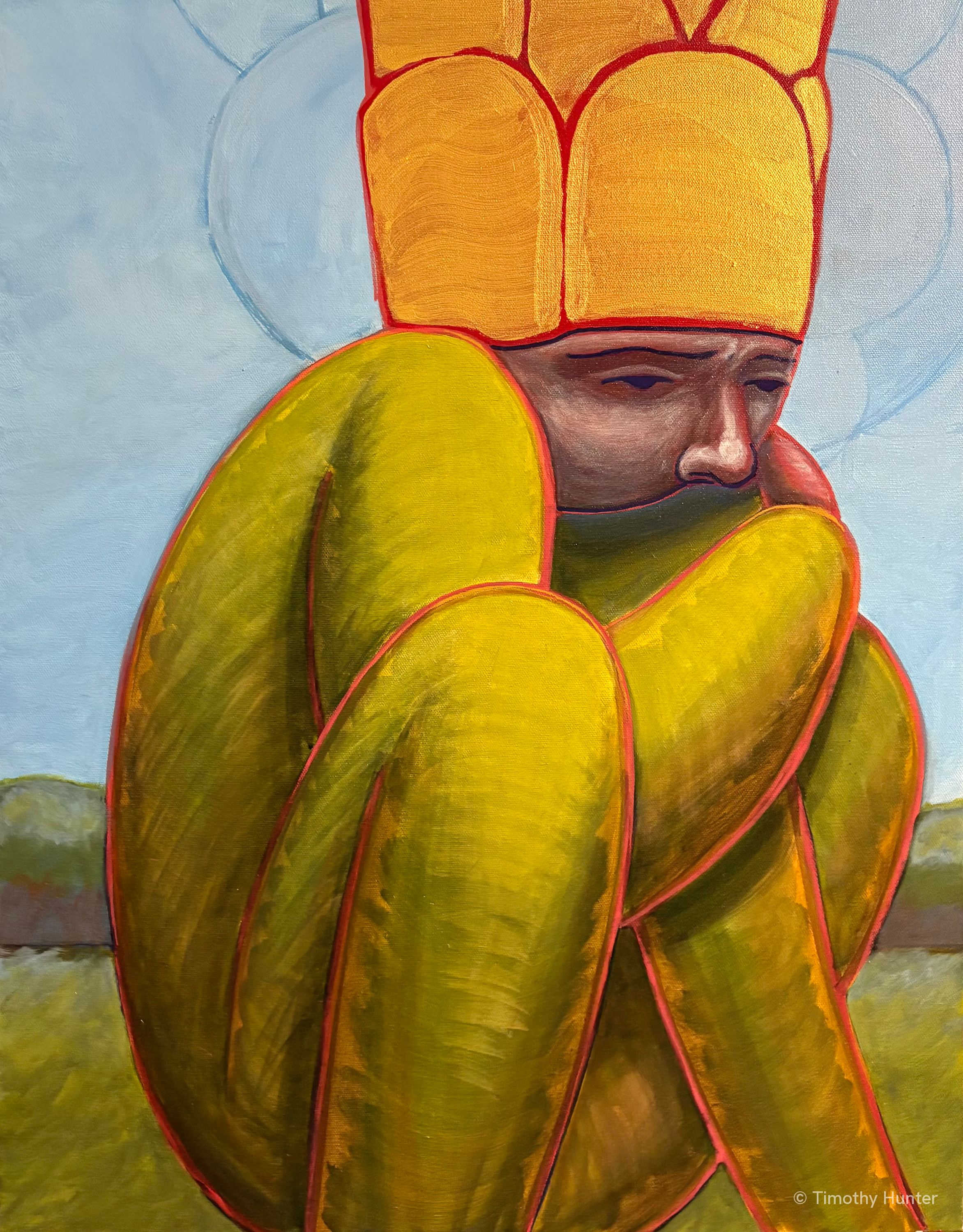
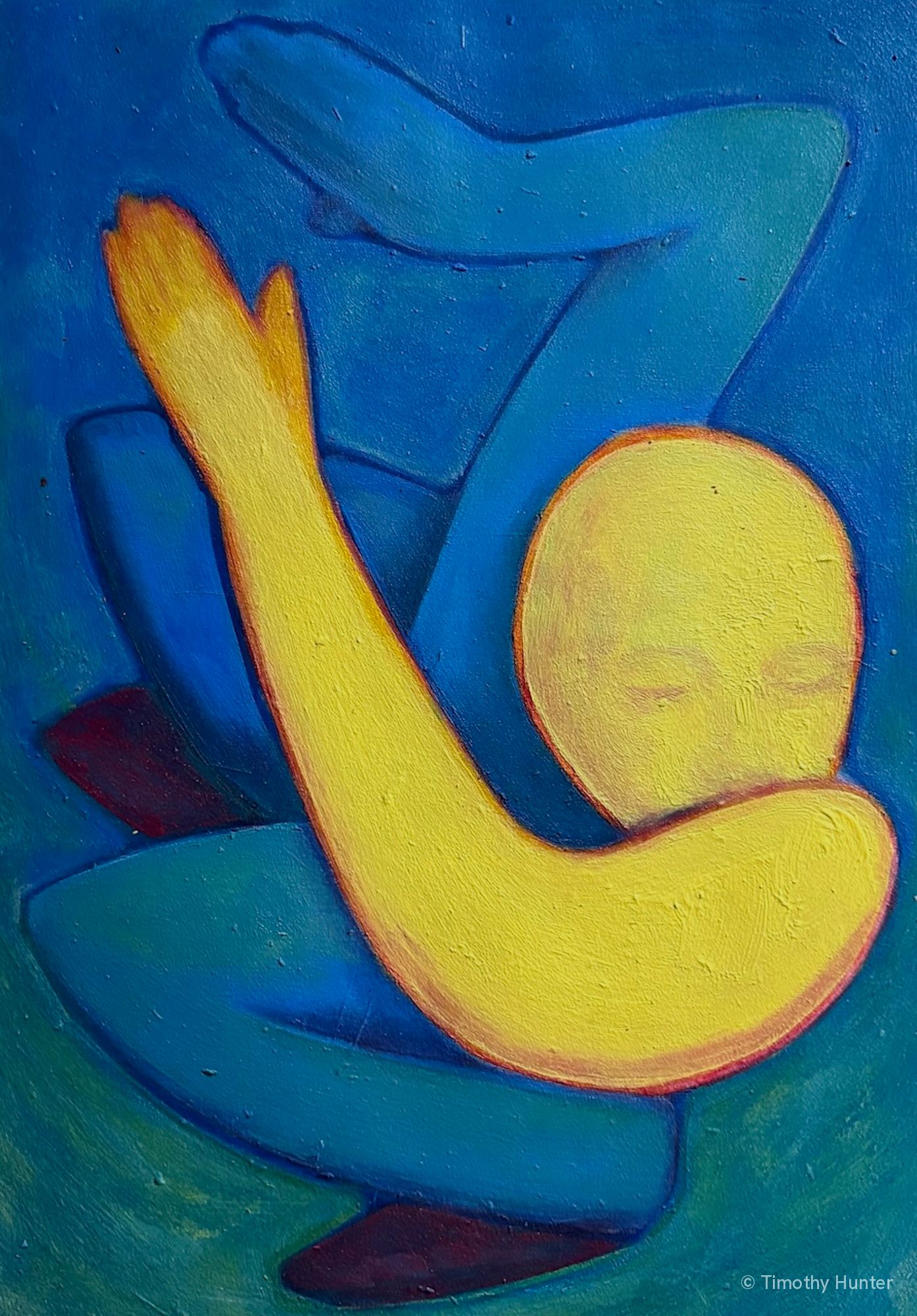
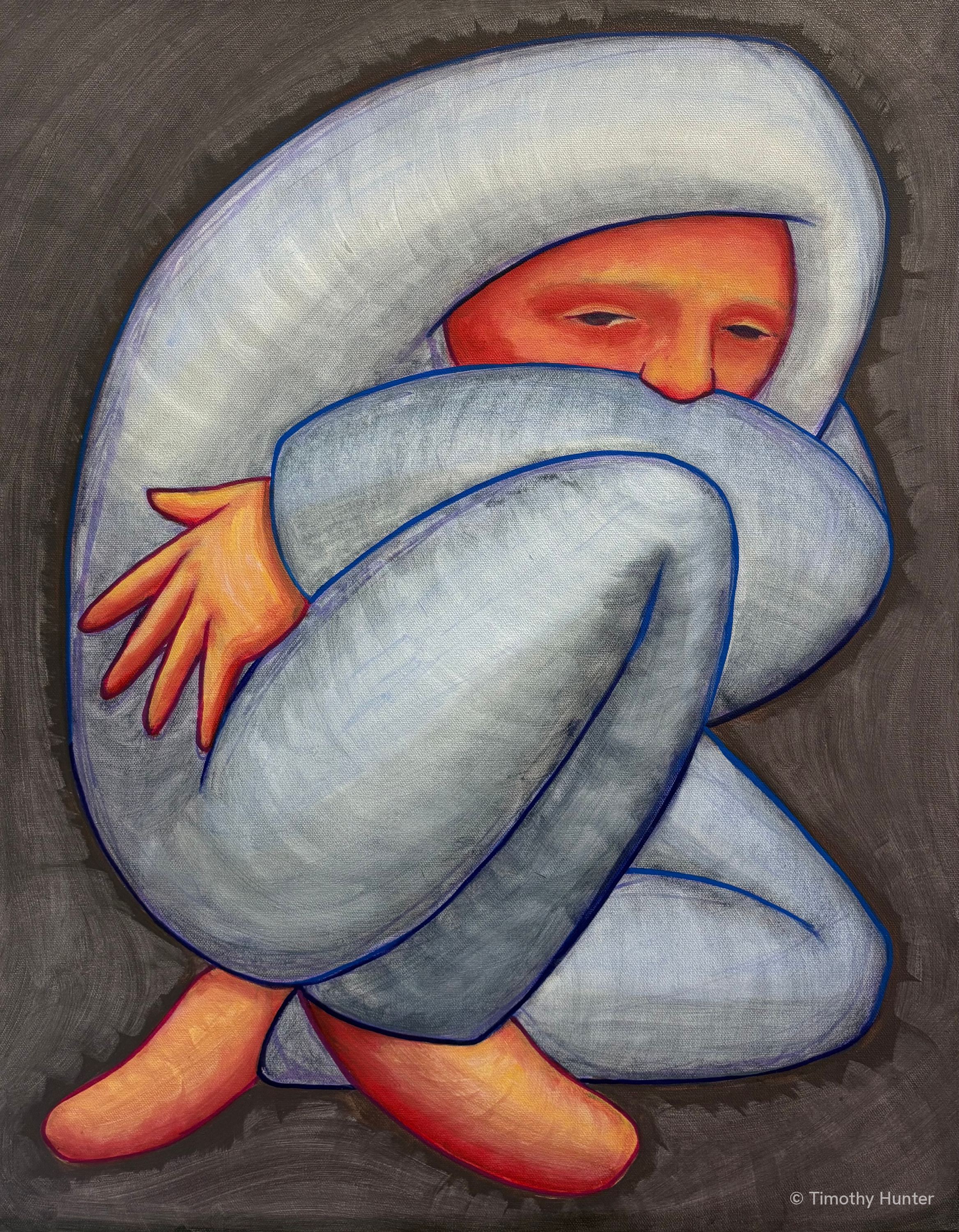
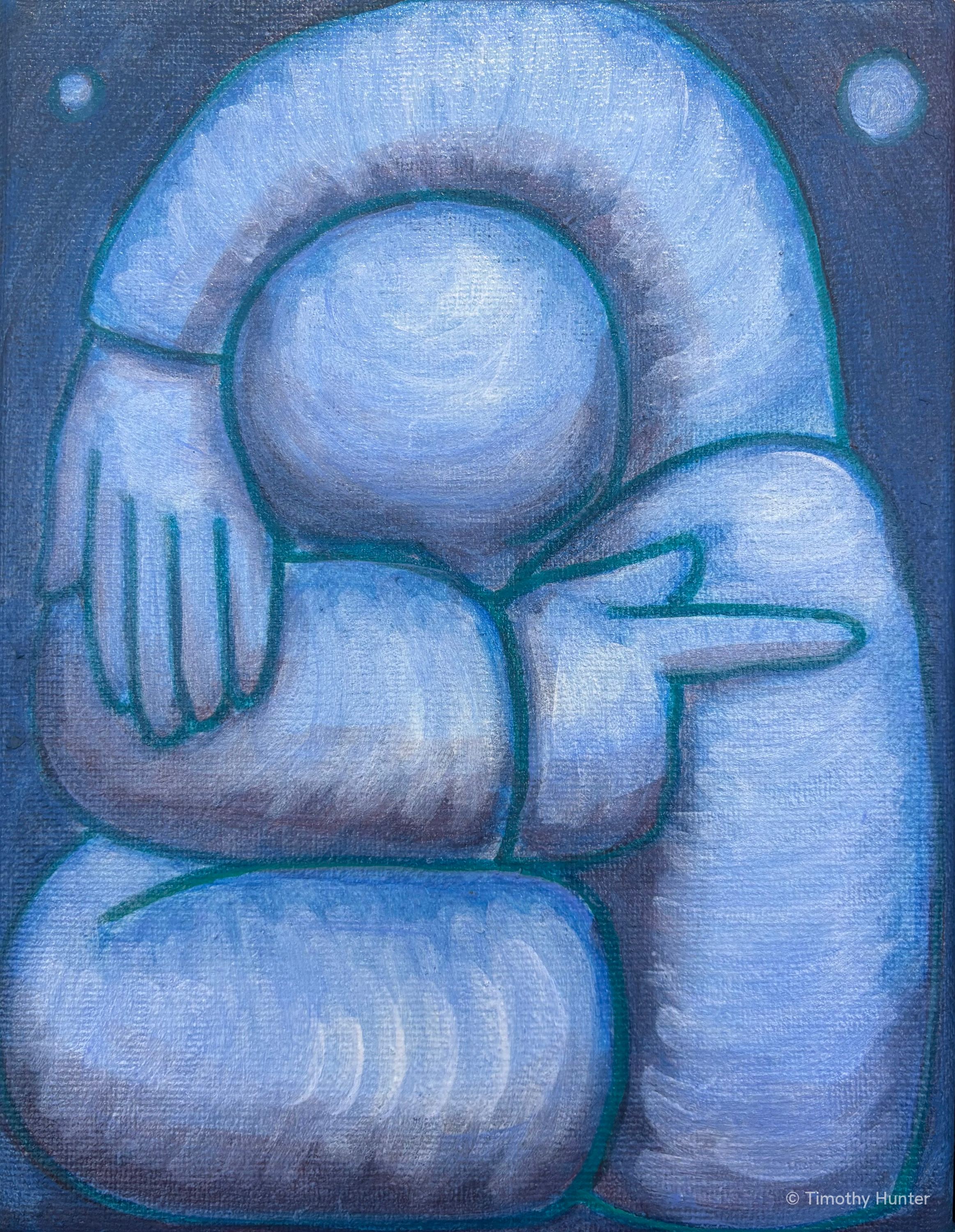
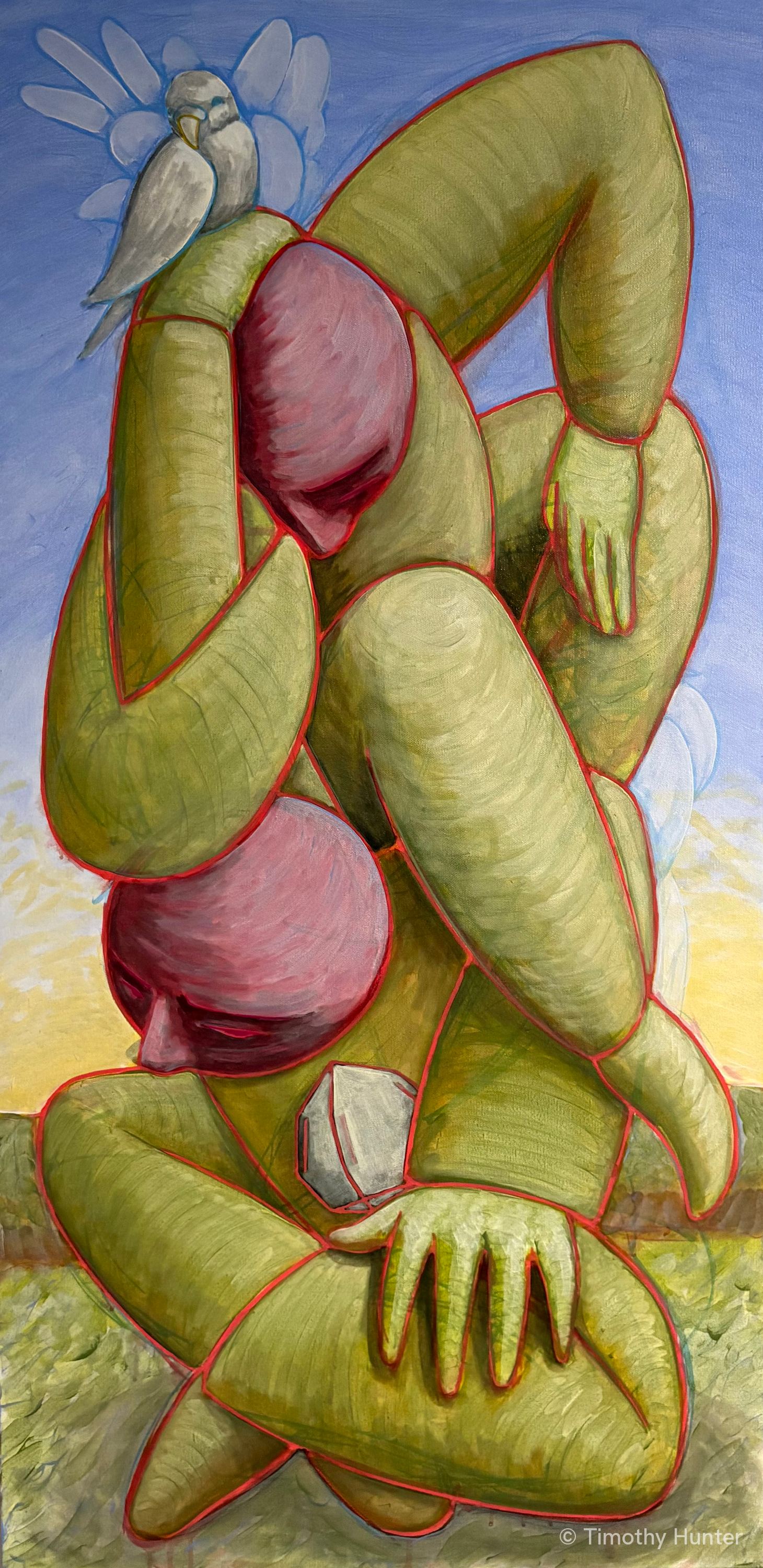
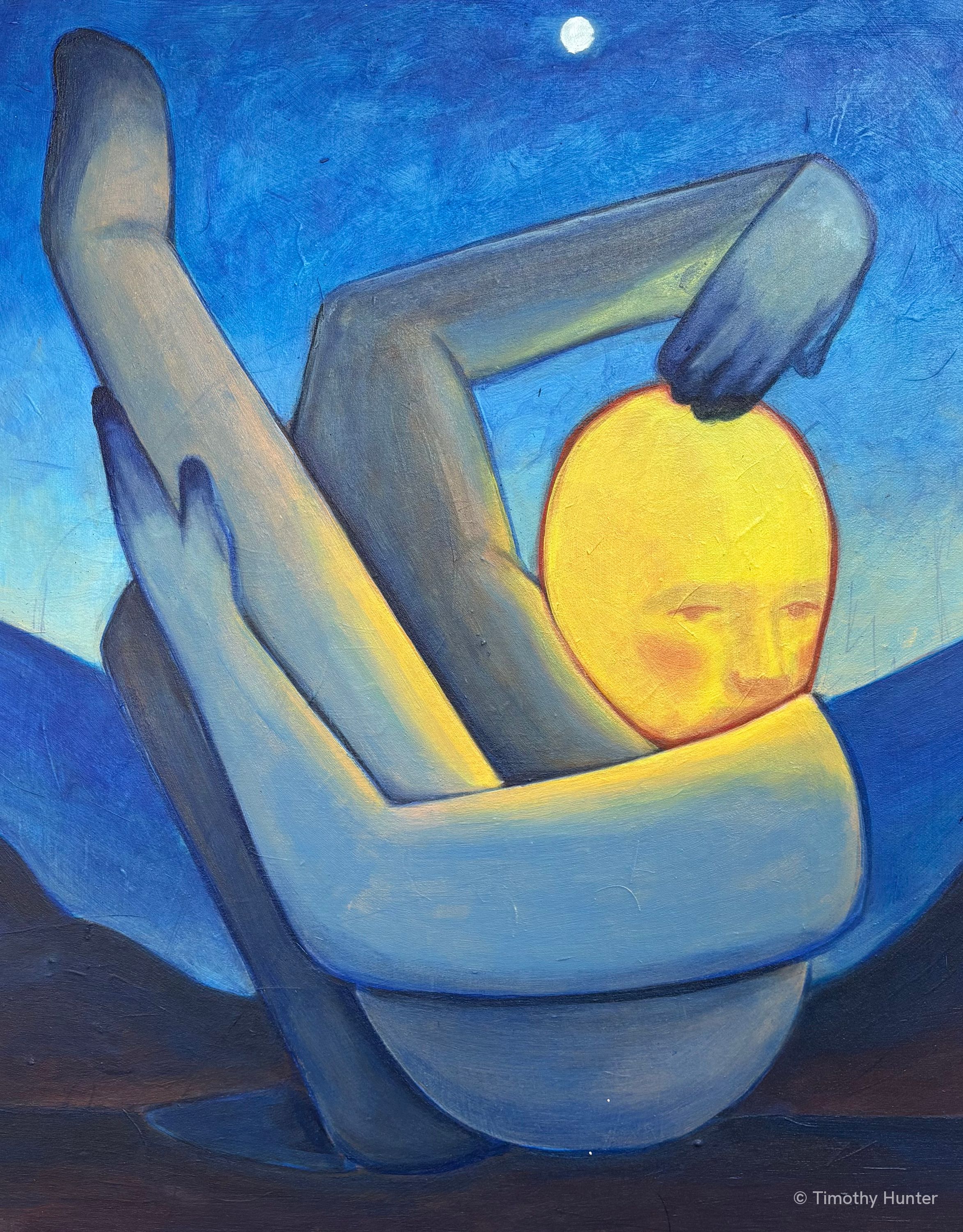
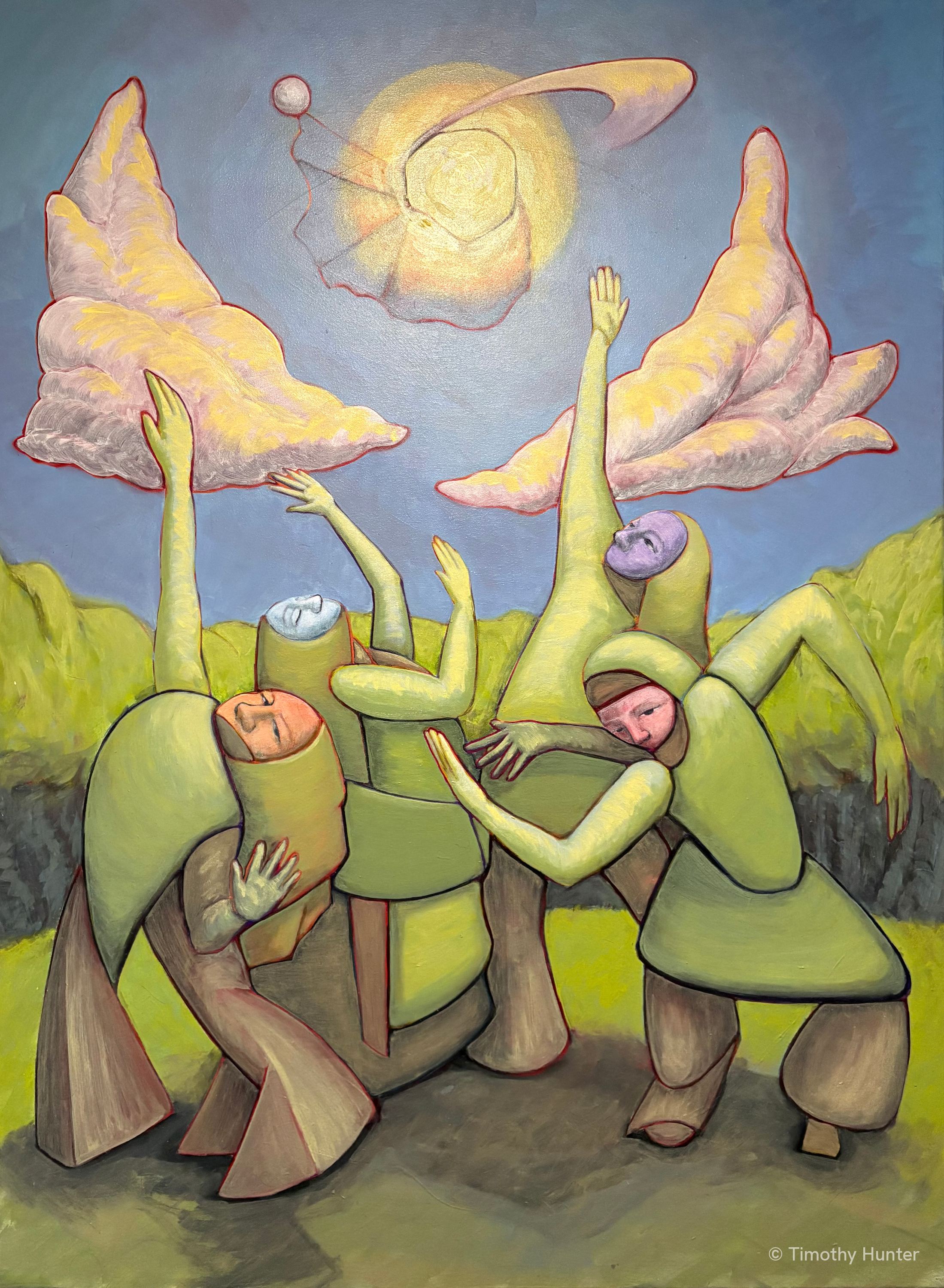
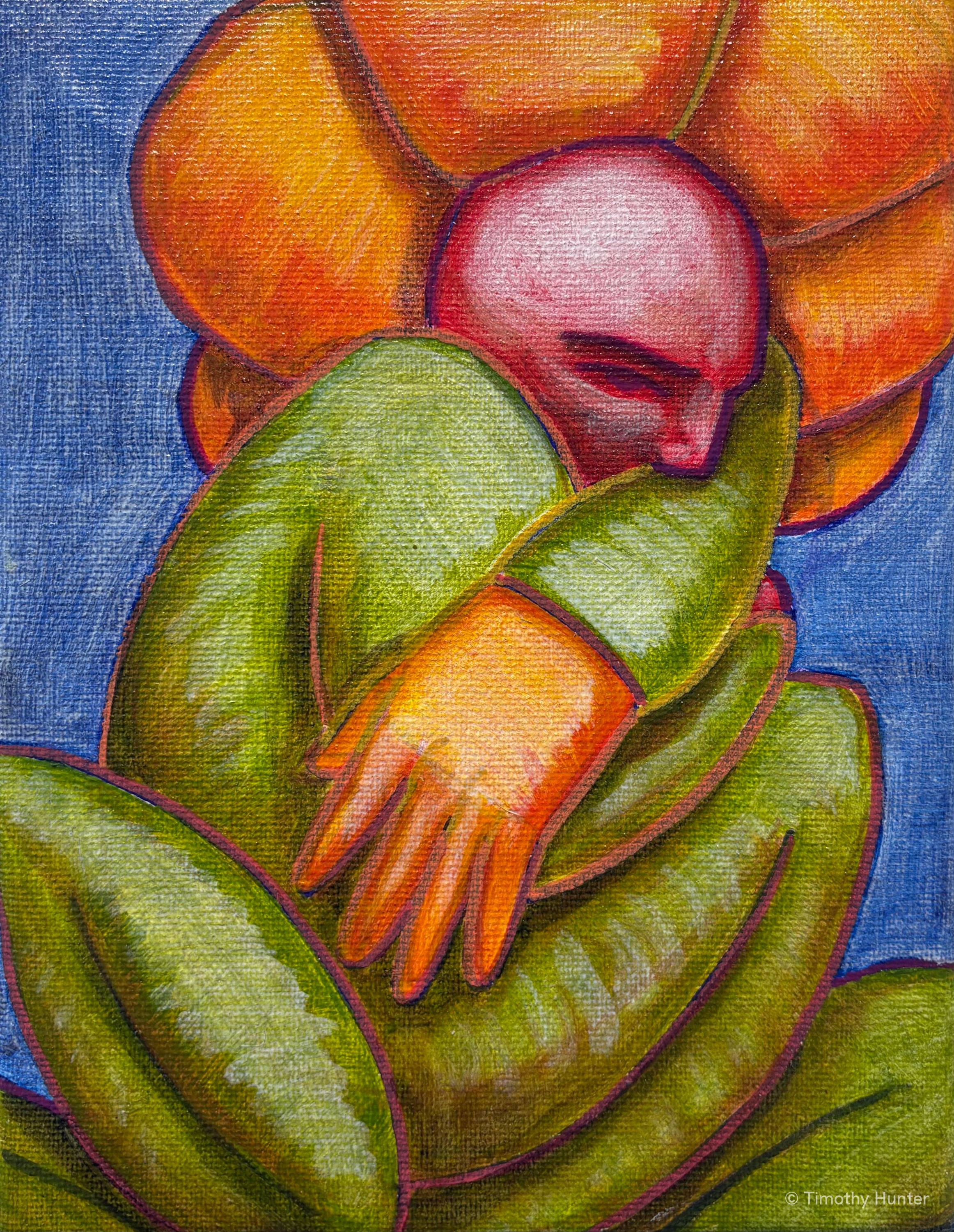
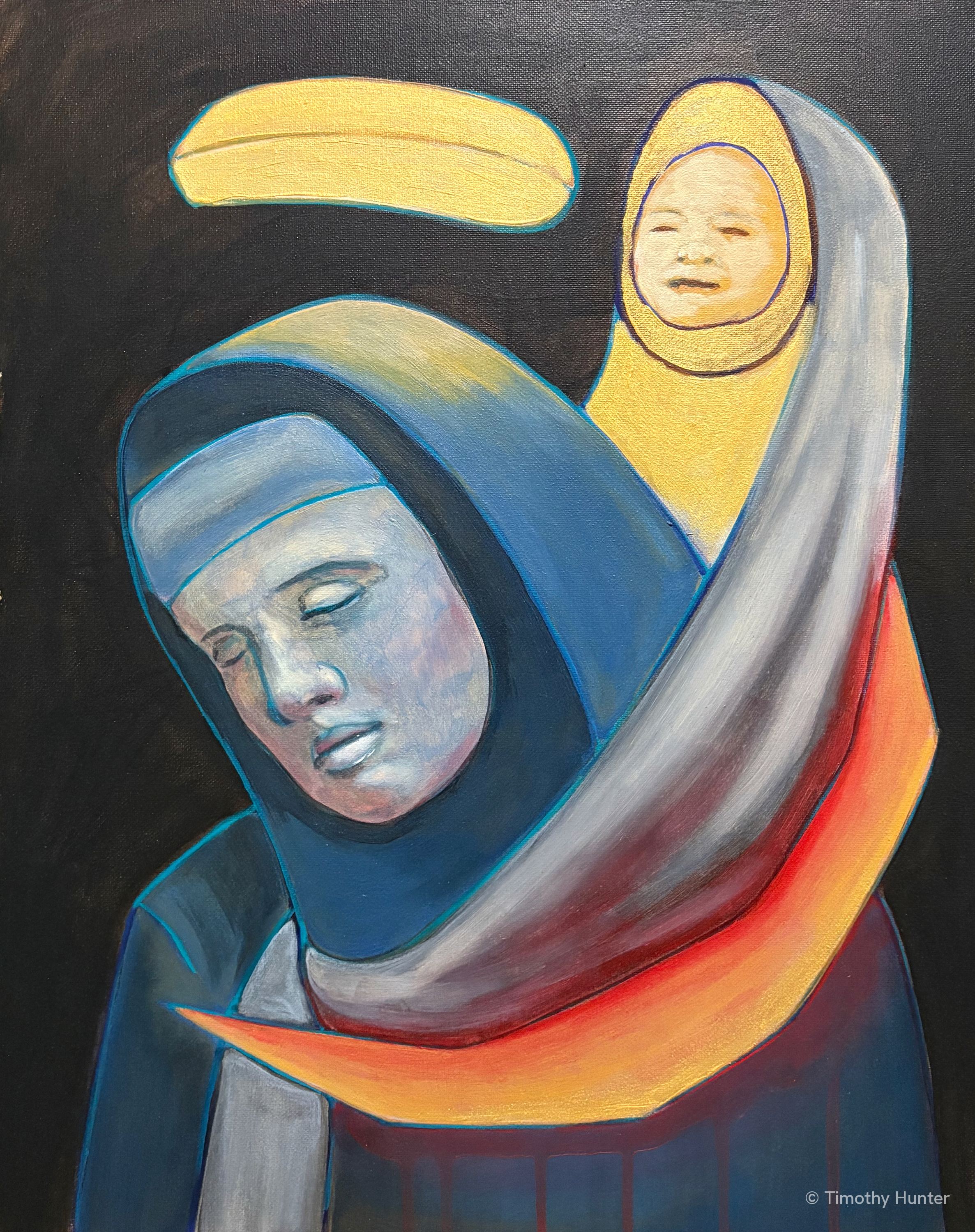
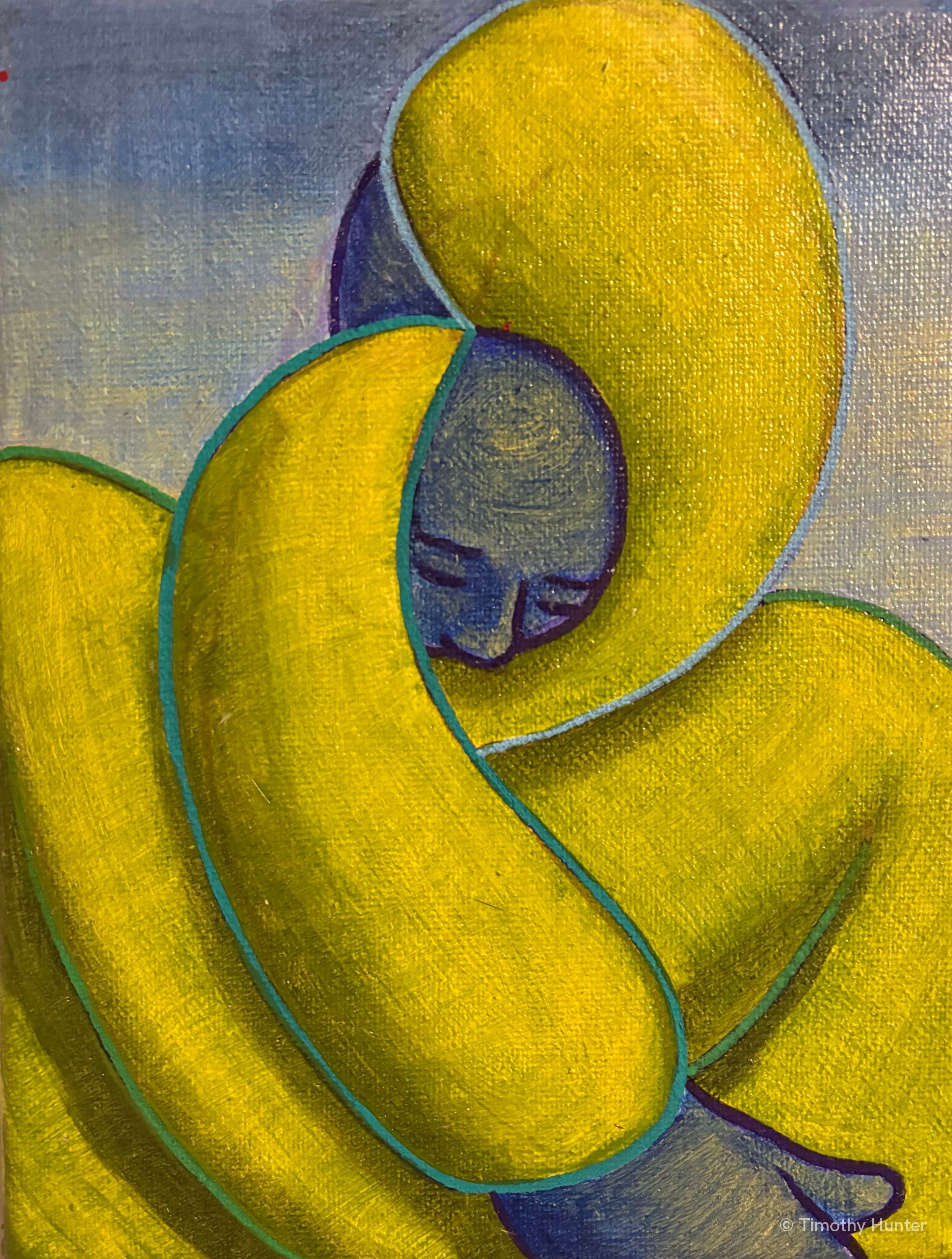
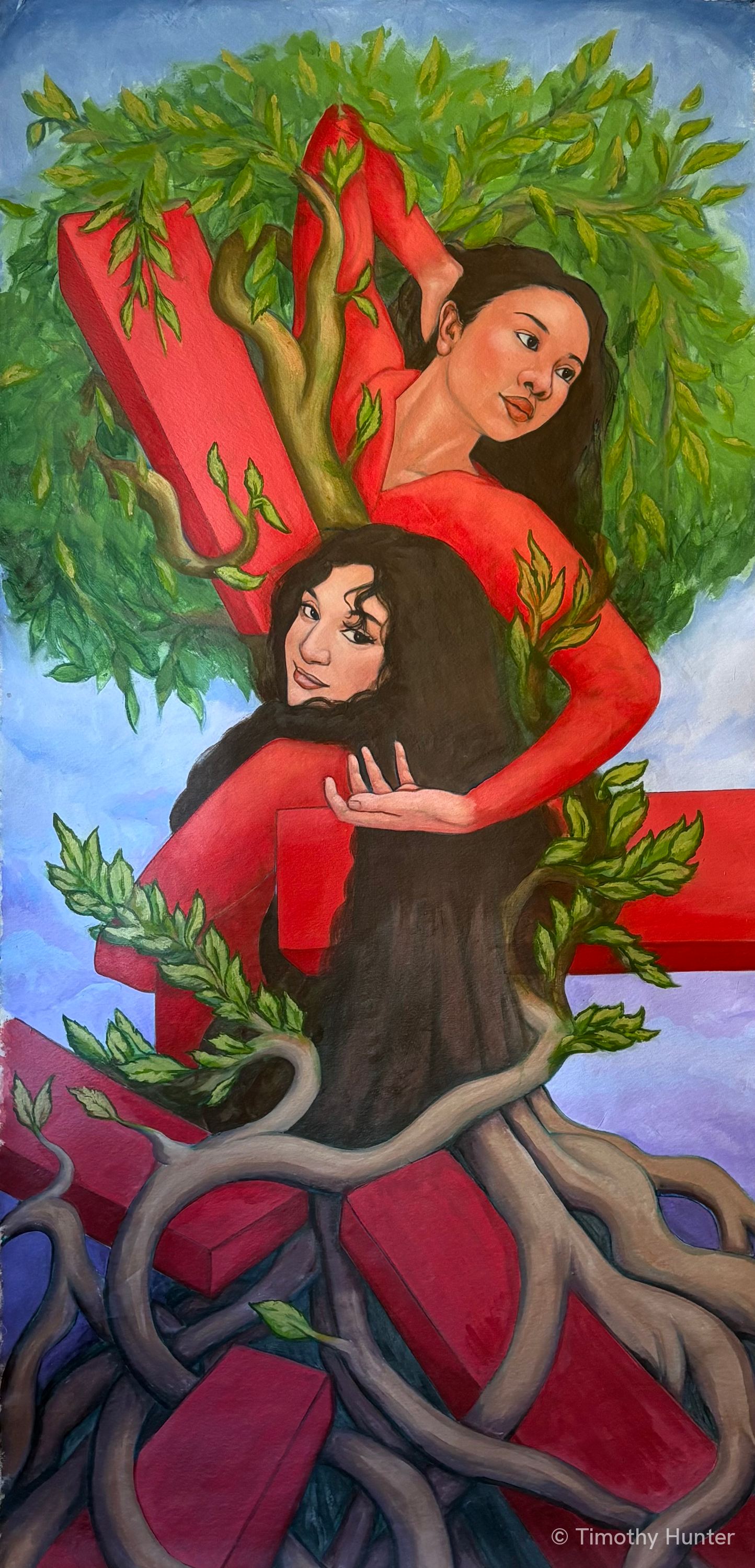
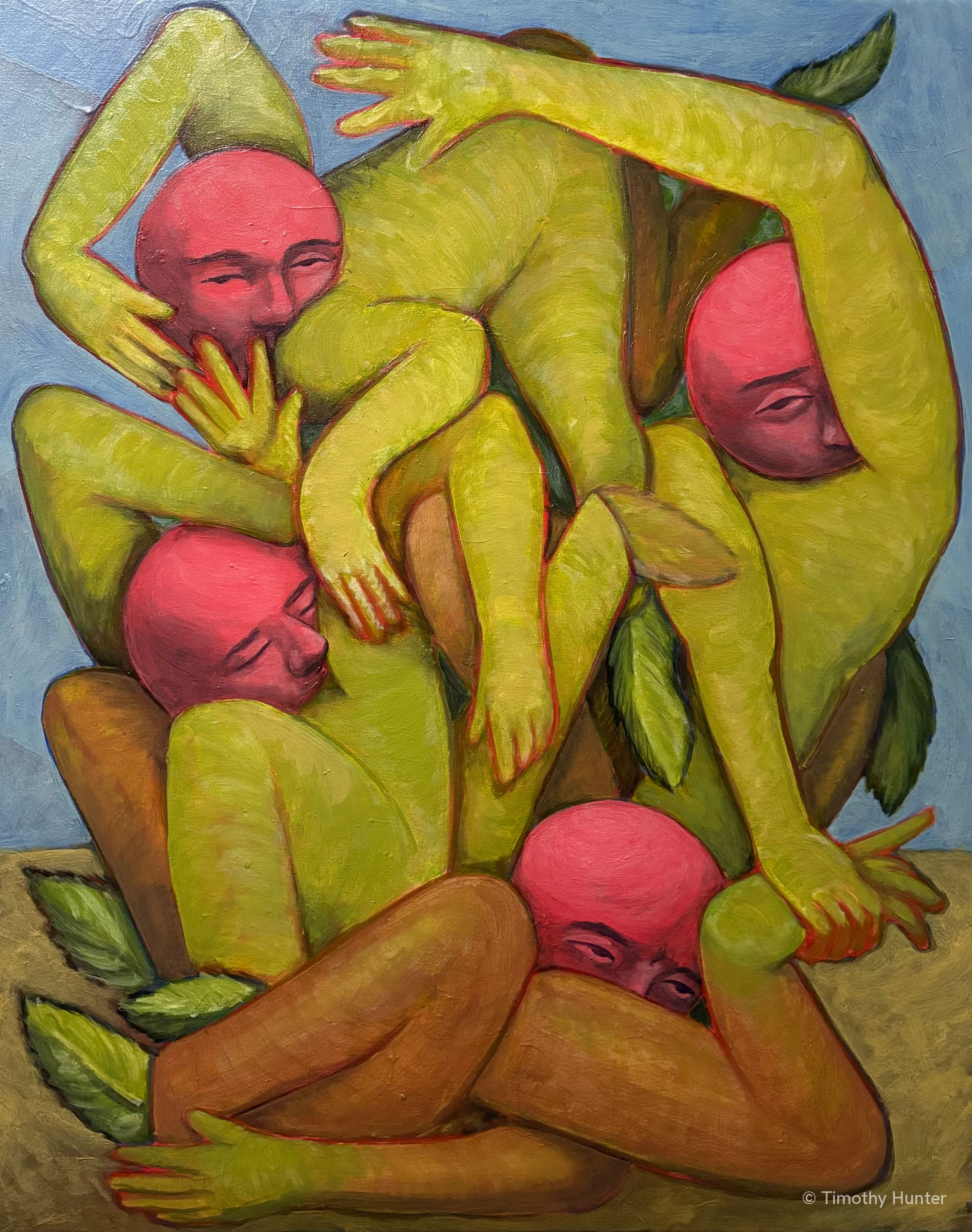
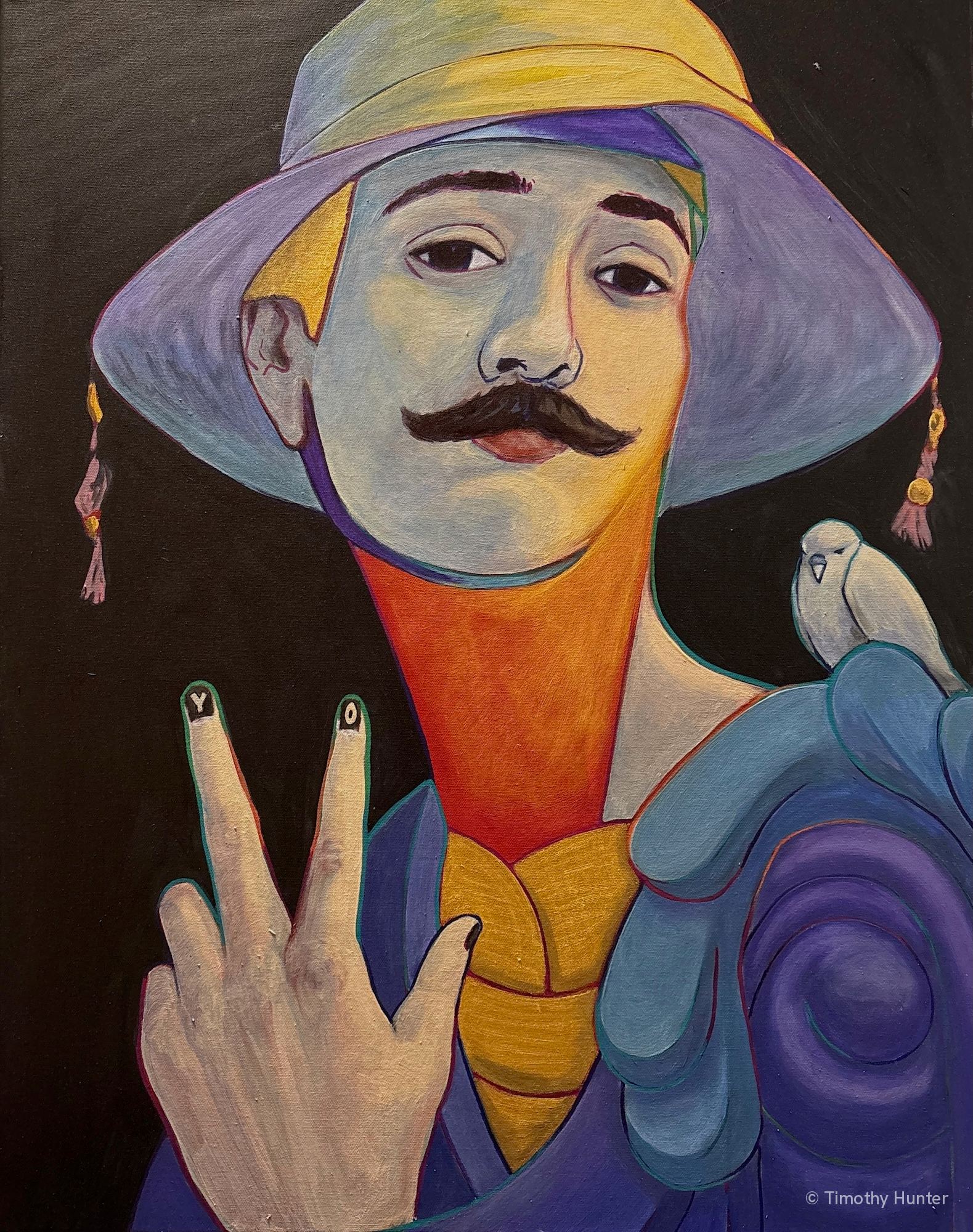
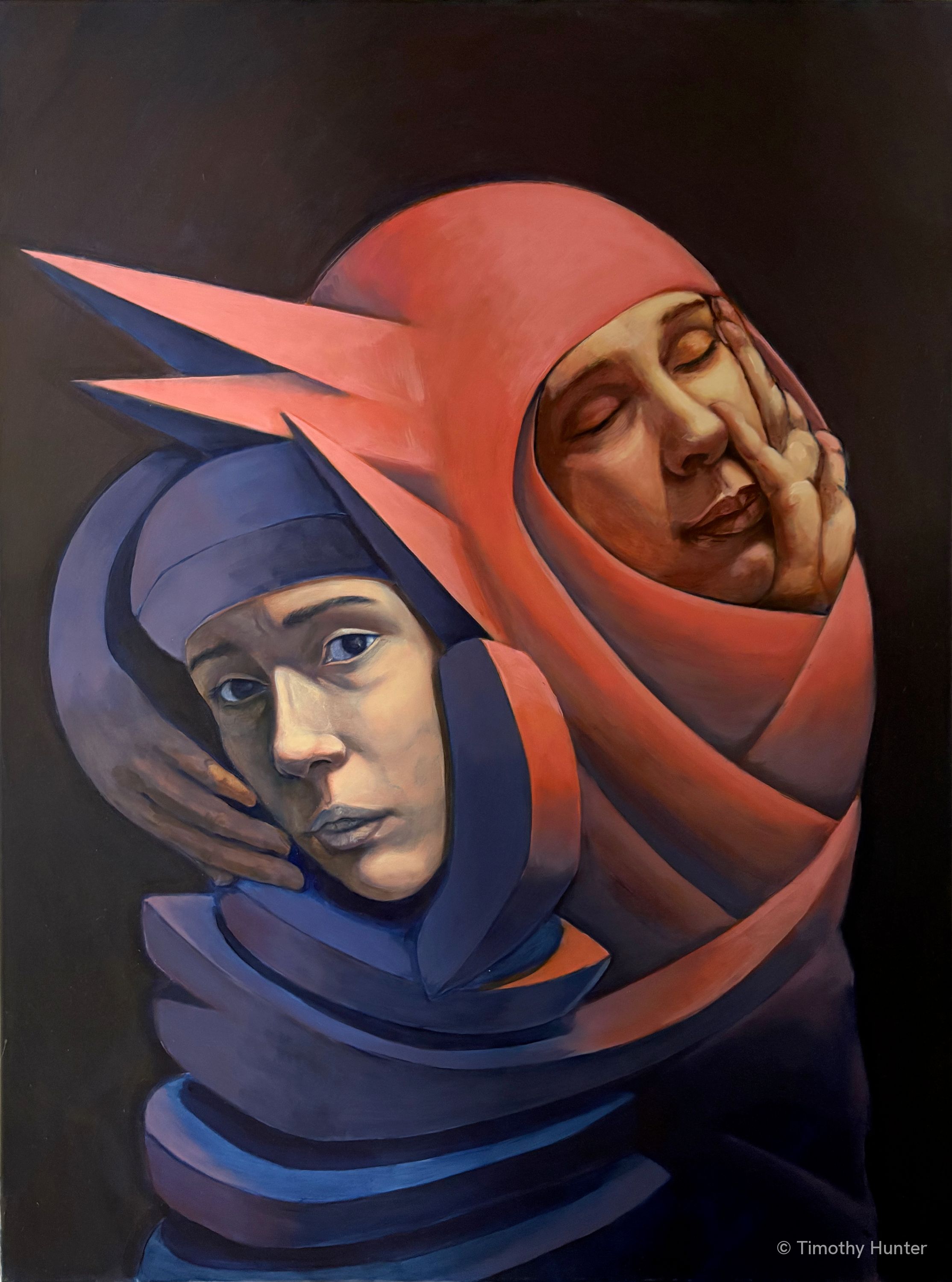
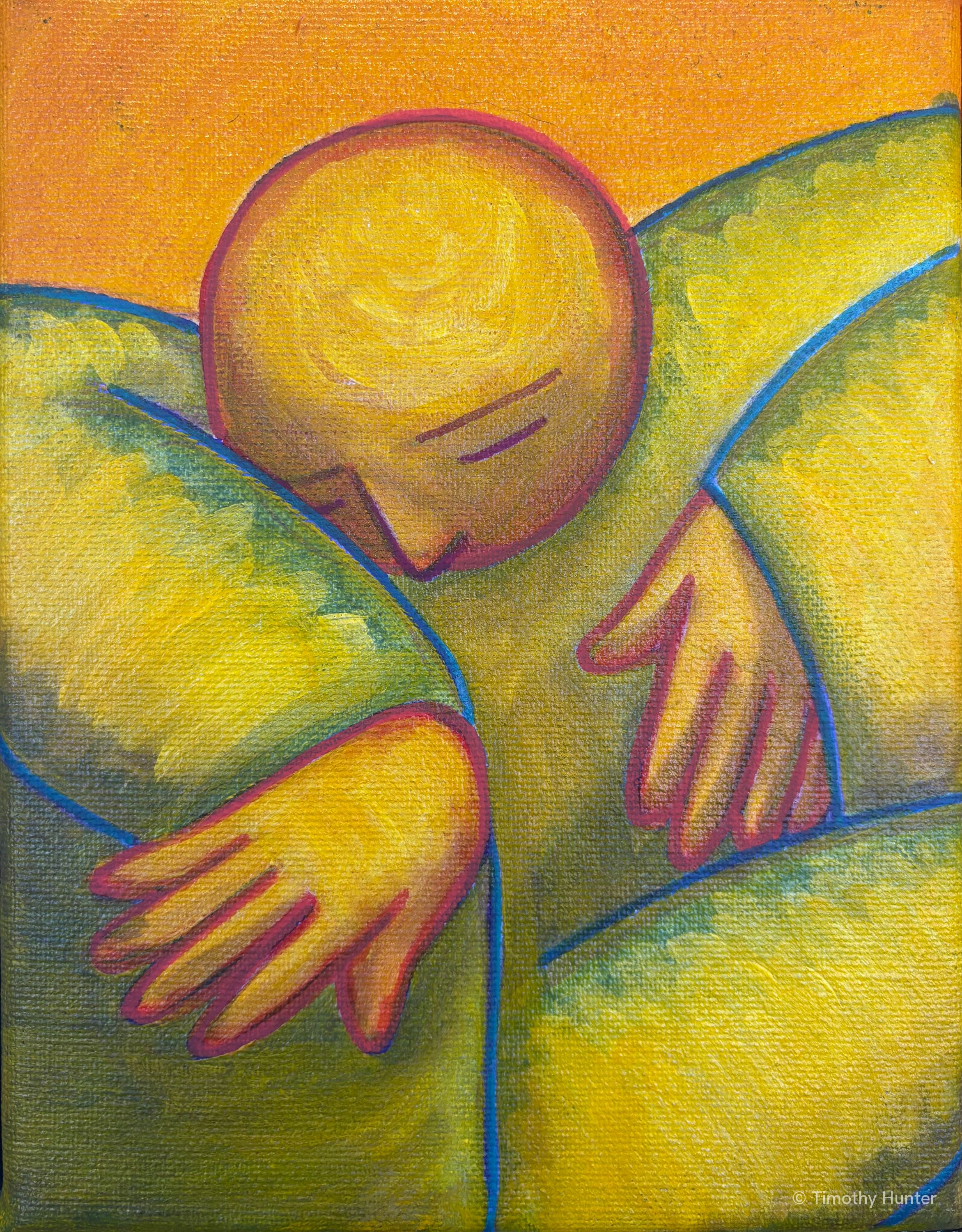
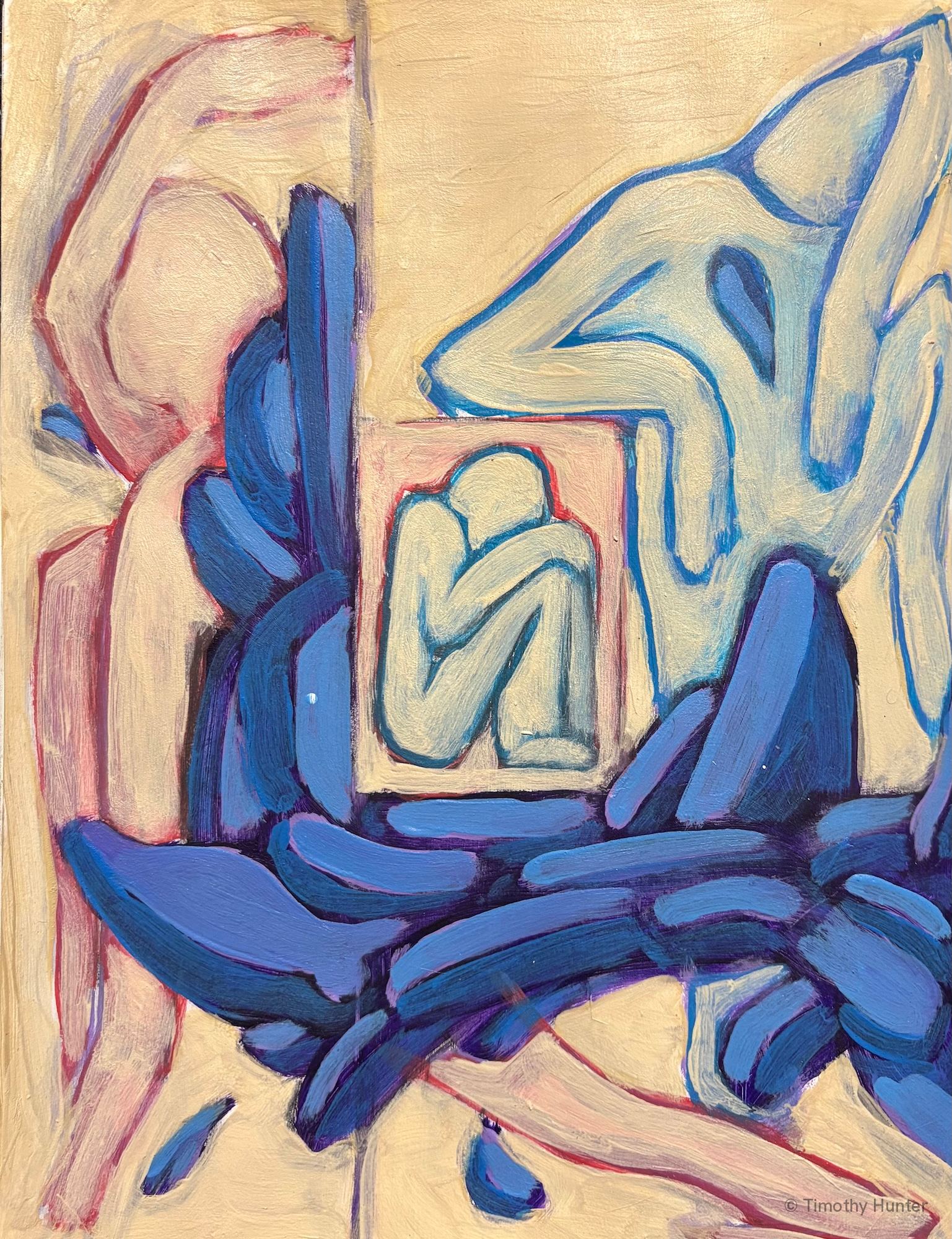
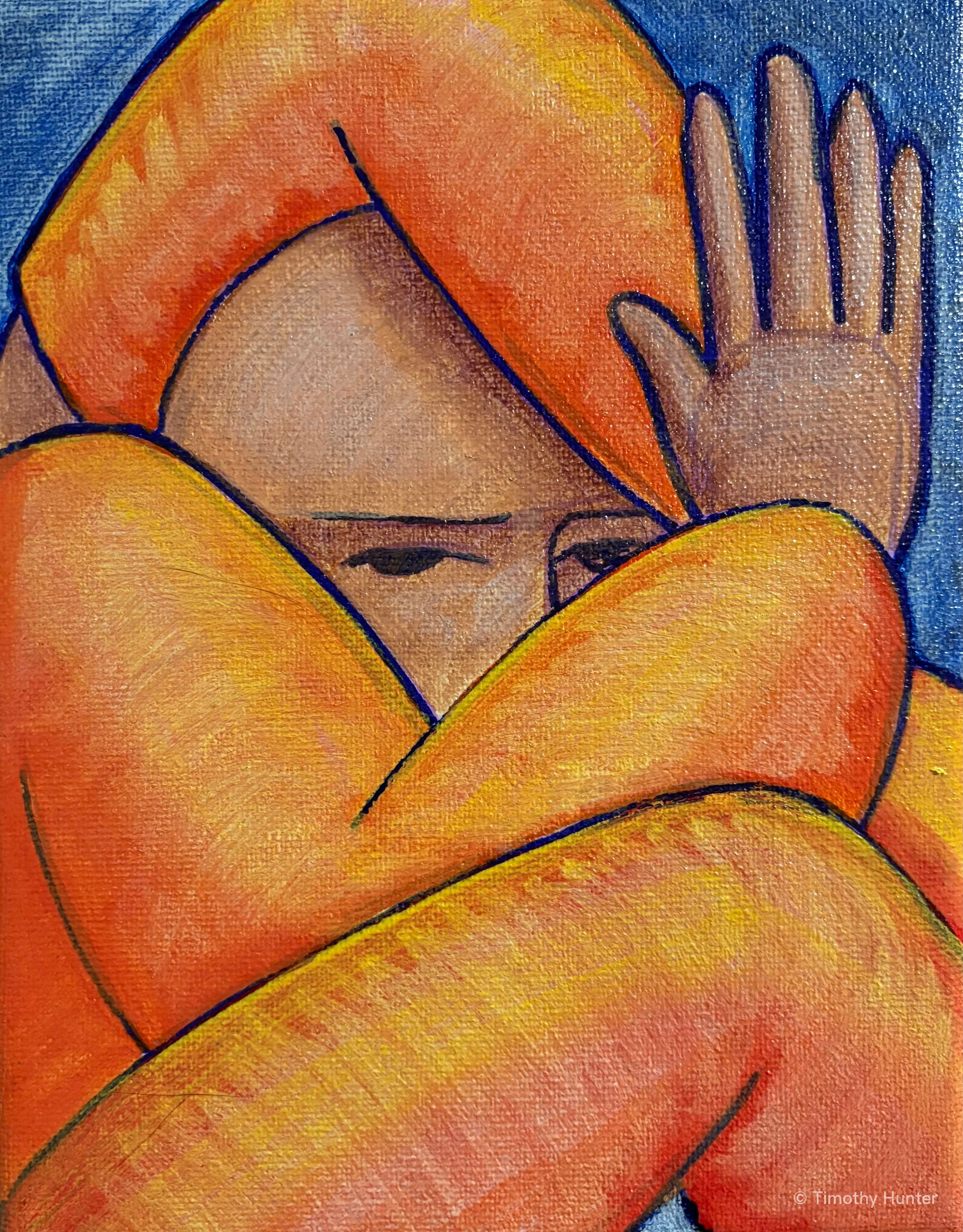
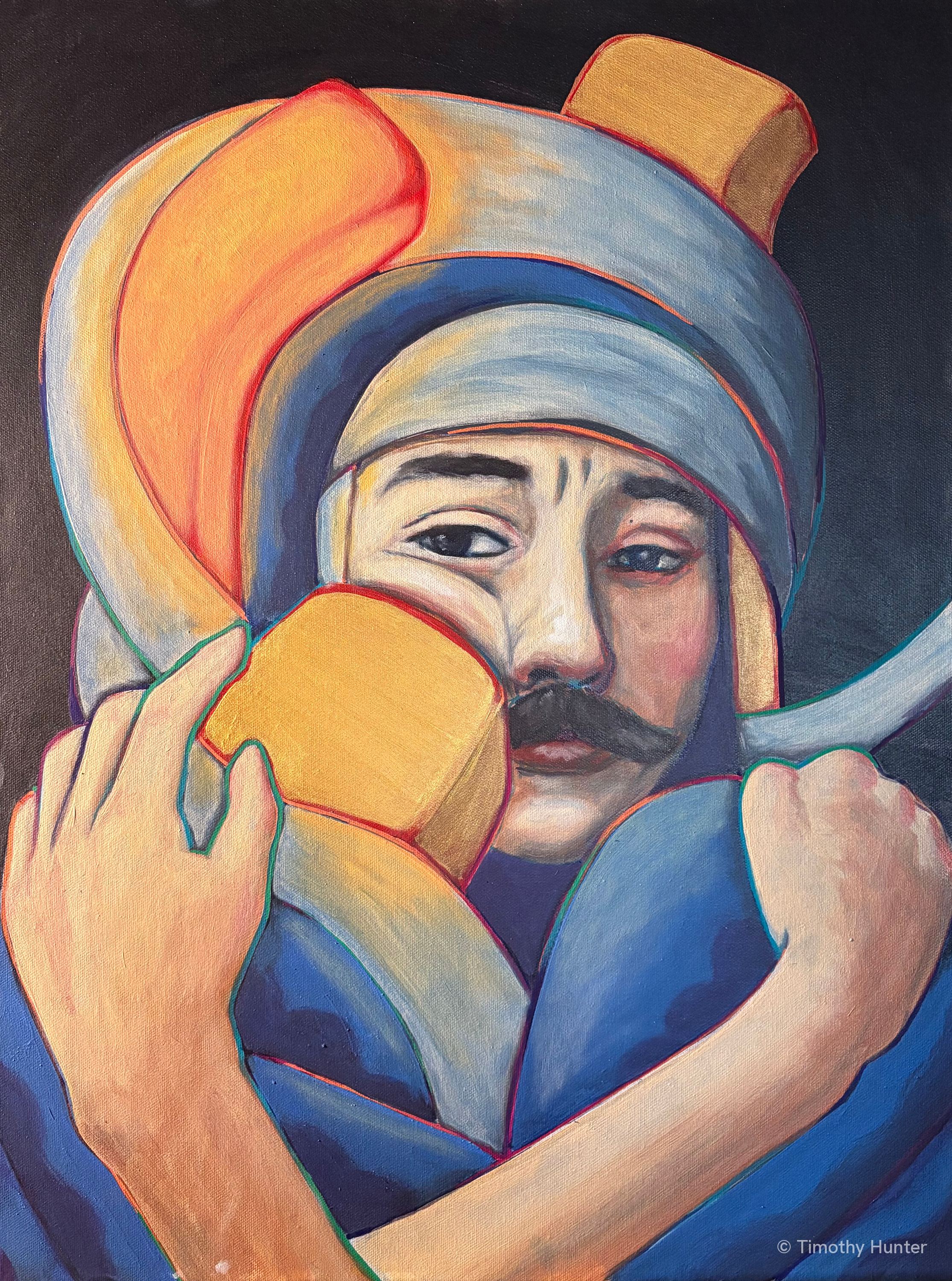
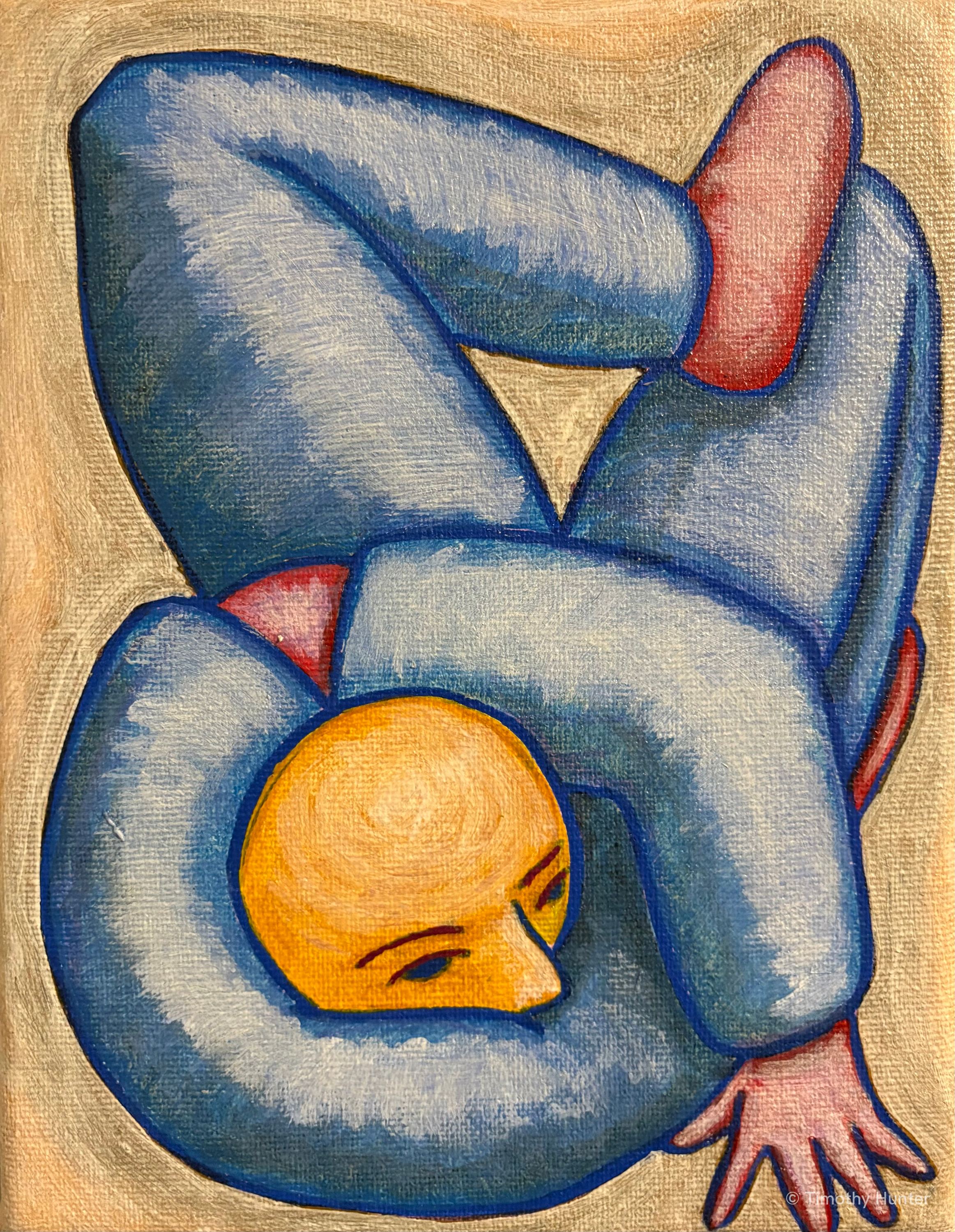
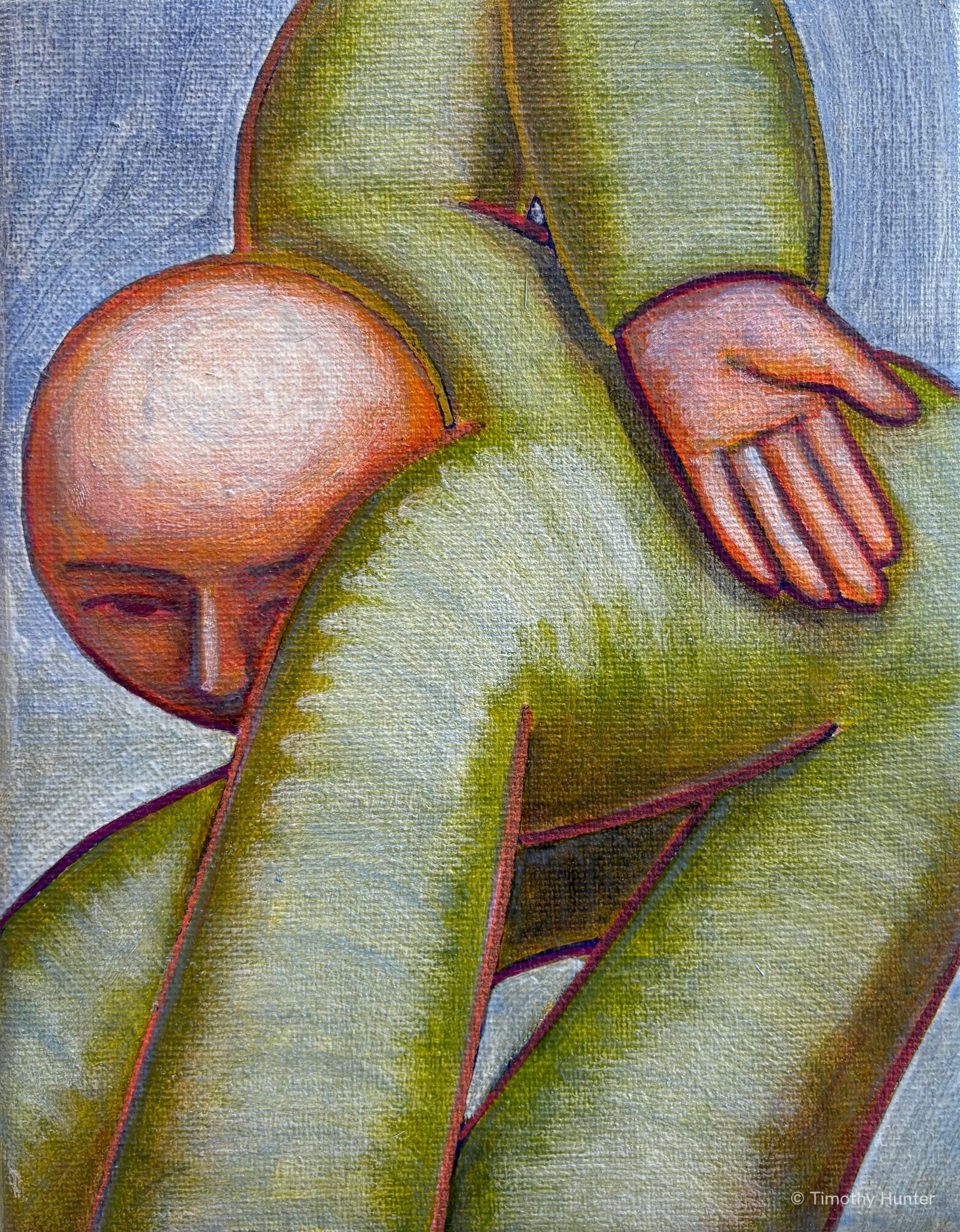
Phosphenes is a collection of paintings drawn from three sources: research into bullvalene, a fluxional molecule; the choreography of contemporary dance; and the phenomenon of the phosphene, which gives the exhibition its title. These are not three separate influences. Phosphenes, molecules, and choreography are three names for one structural behavior, a form held and then becoming another without loss of identity. A phosphene is an image the eye produces from its own internal pressure, with no external light entering it, and the title names a freedom that emerged inside the work itself: a figure could hold a form, release it, and arrive at another while remaining recognizably the same body, generating its own light from within rather than receiving it from outside.
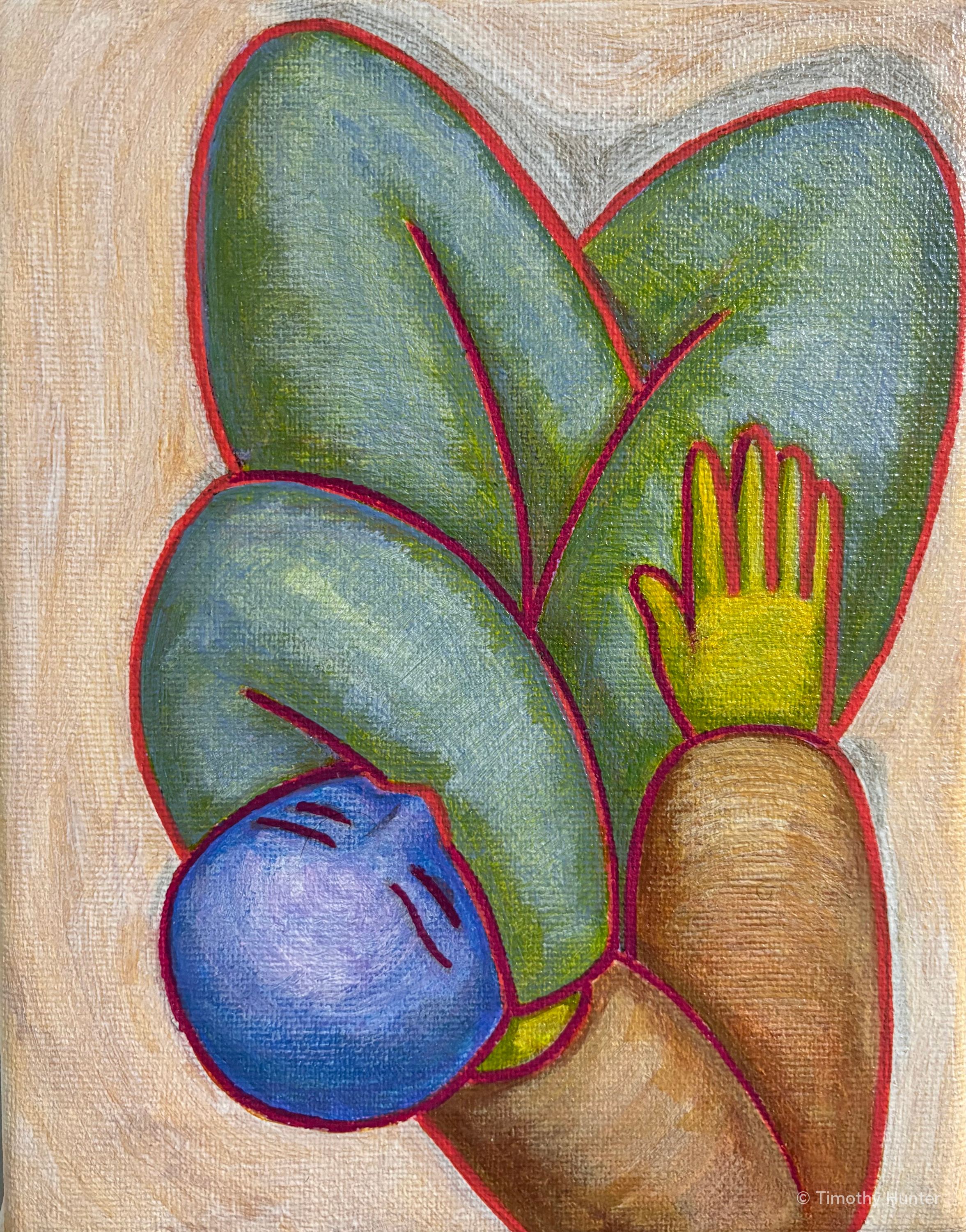
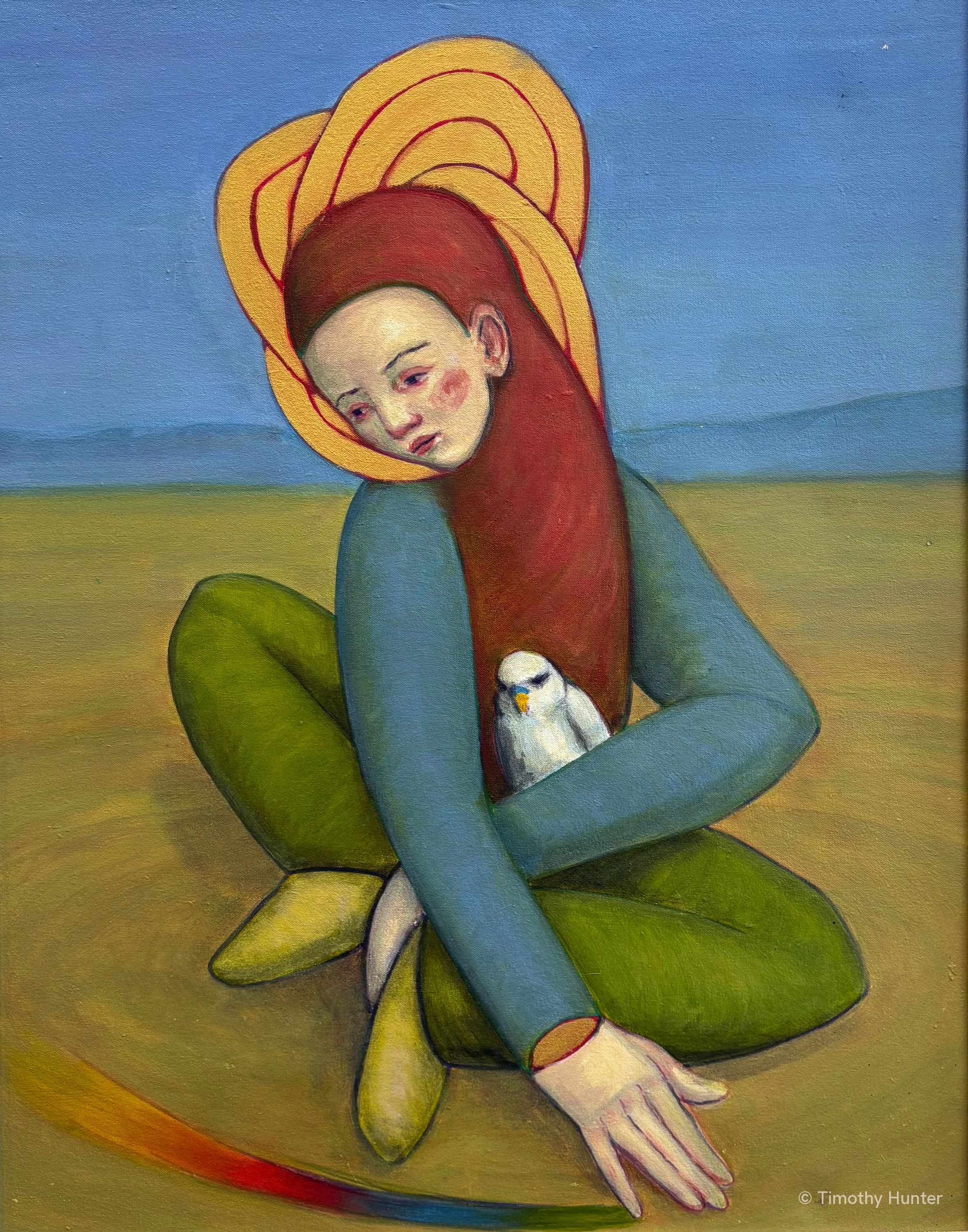
This behavior has a precise structural parallel in chemistry. Bullvalene is a fluxional molecule whose bonds rearrange continuously while the molecule remains itself, never settling into a single fixed arrangement. The paintings treat the figure the same way. A signature contour line, held in red and magenta, runs through every work as the bond that survives each rearrangement, the one connection that persists while everything around it folds, curls, and reorganizes.
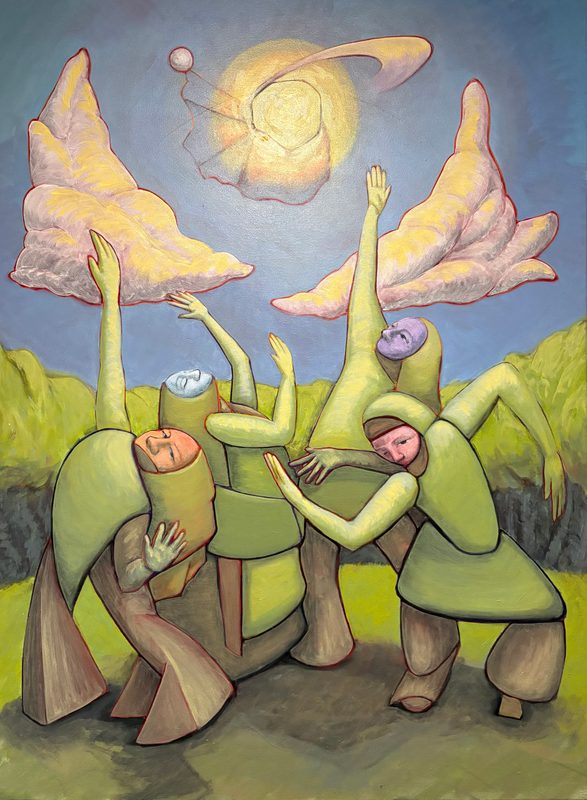
The work draws as well on roughly two and a half years of attending performances and studio sessions in contemporary dance, where the body passes through held forms in sequence, each pose distinct yet continuous with the last. That memory of the moving body does not enter the paintings as observed record but as impression and aura, the held form recalled rather than copied.
The paintings are built from a practice developed entirely in-house, with custom-mixed paints formulated for specific viscosity and transparency, an original layering method, and a consistent figural language across the body of work. The palette favors green and blue, and the direction of each brushstroke is treated as a deliberate carrier of light rather than an incidental mark. The recurring figures appear as curled and folded vessels, the held form rendered as a body turned in on itself.
Timothy Hunter is a painter and a doctoral candidate in organic chemistry at the Georgia Institute of Technology, where his research includes the synthesis of bullvalene, the fluxional molecule that informs the structural logic of this exhibition.
About
Born and raised in South Carolina, Timothy Hunter is a painter whose work exists at the intersection of empirical inquiry and academic tradition. A graduate of the College of Charleston with a B.S. in Chemistry and a B.A. in Studio Art, Hunter is currently a PhD candidate in Organic Chemistry at the Georgia Institute of Technology in Atlanta.
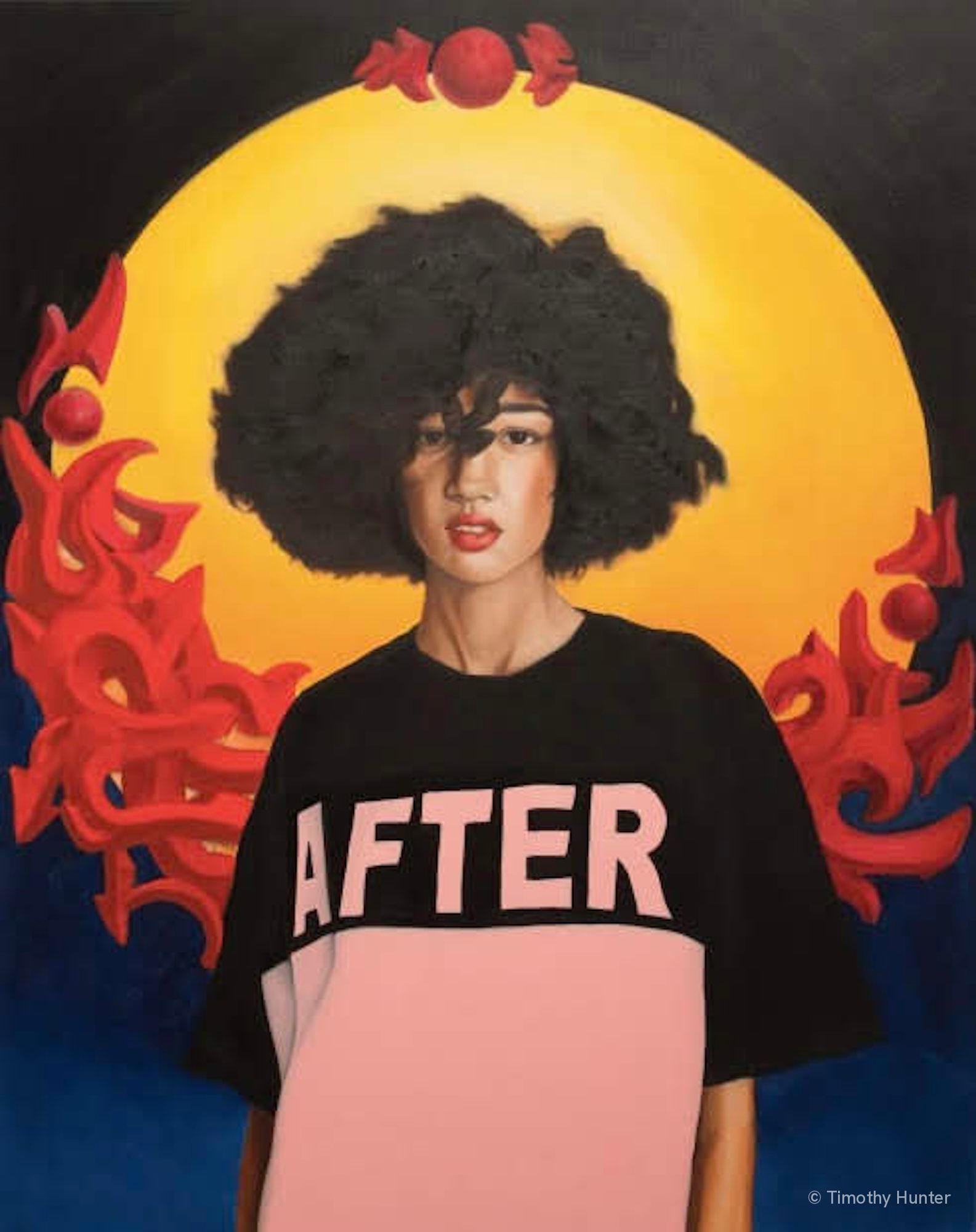
His practice is defined by the application of rigorous scientific research techniques to the physical and conceptual act of painting. While his primary focus is rooted in the discipline of academic realism and portraiture, he frequently explores the boundaries of the style through forays into impressionism and abstract forms. By synthesizing the analytical precision of the laboratory with the fluid expression of the studio, Hunter seeks to bridge the gap between scientific observation and the emotive power of the human form.